
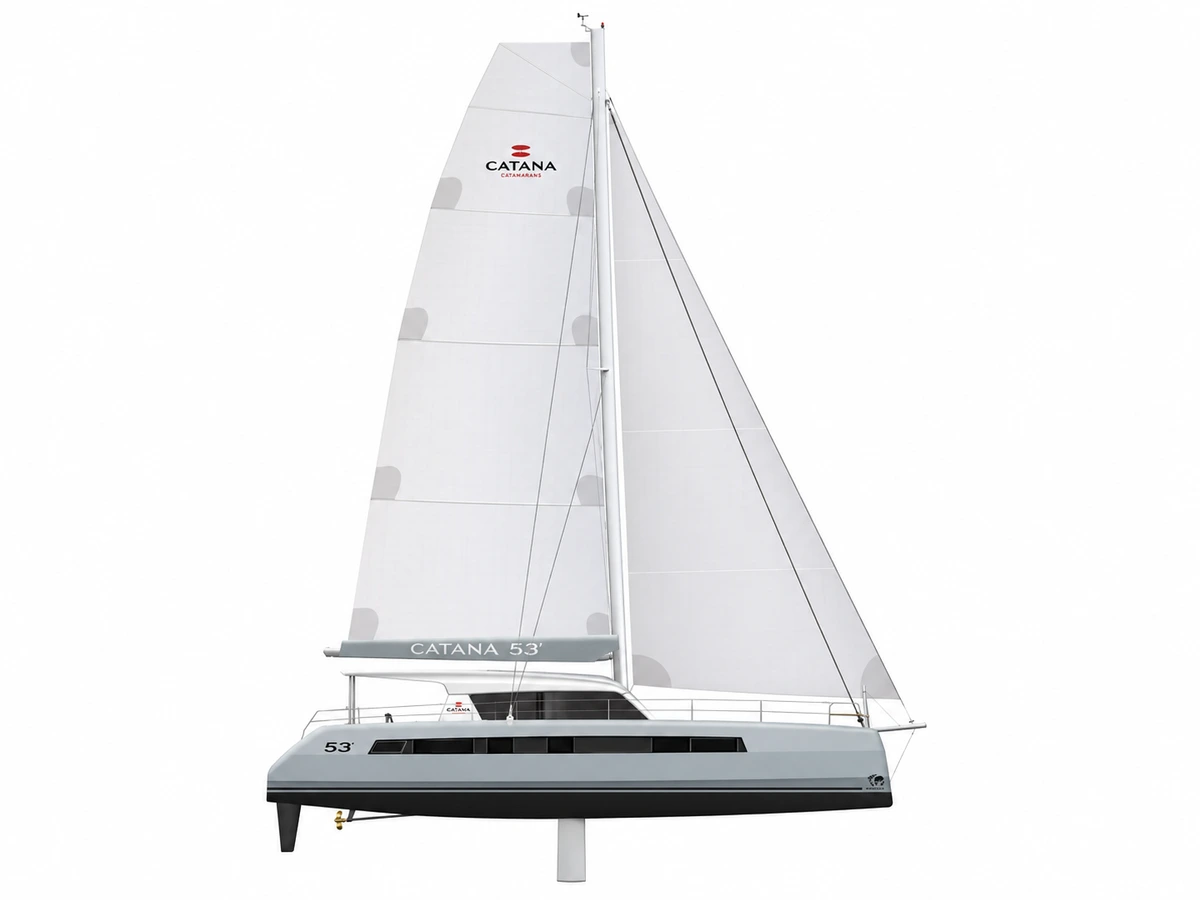
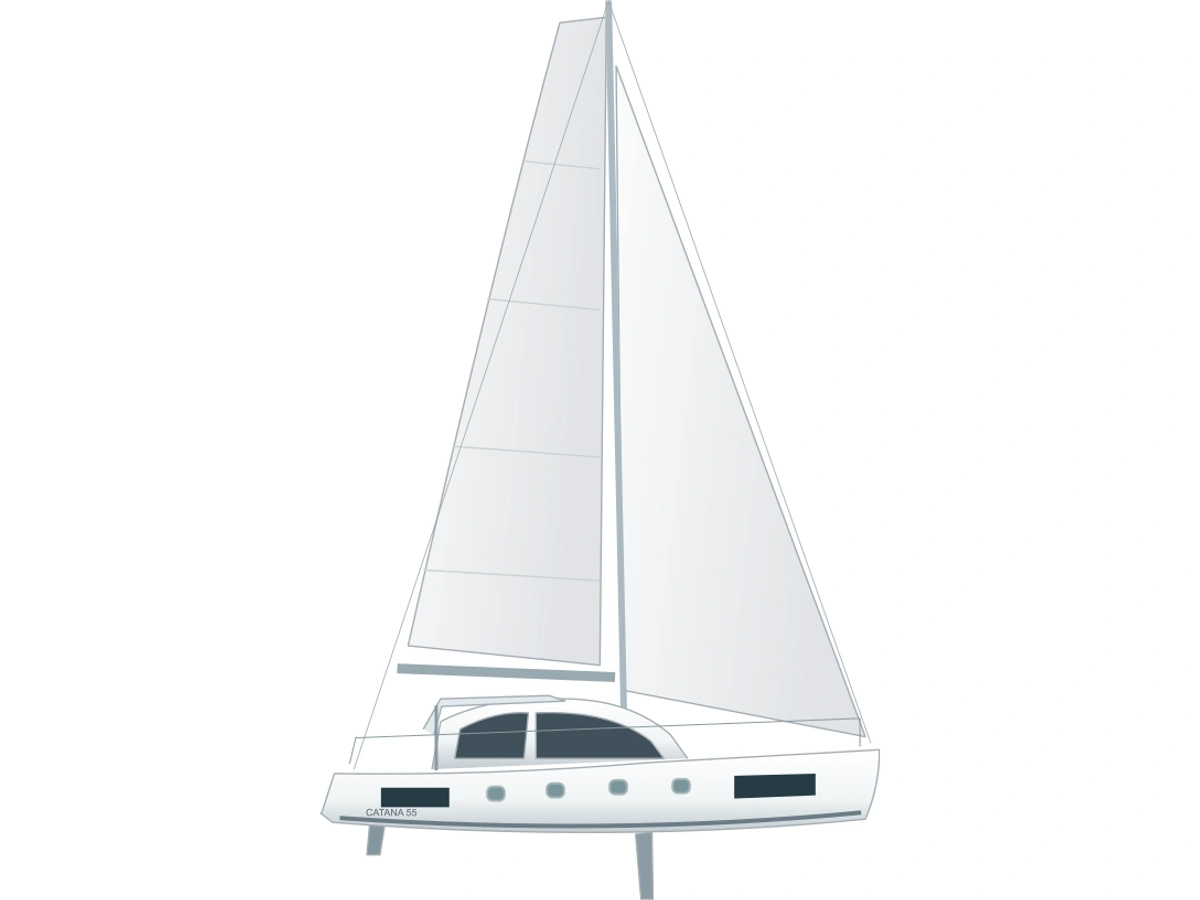
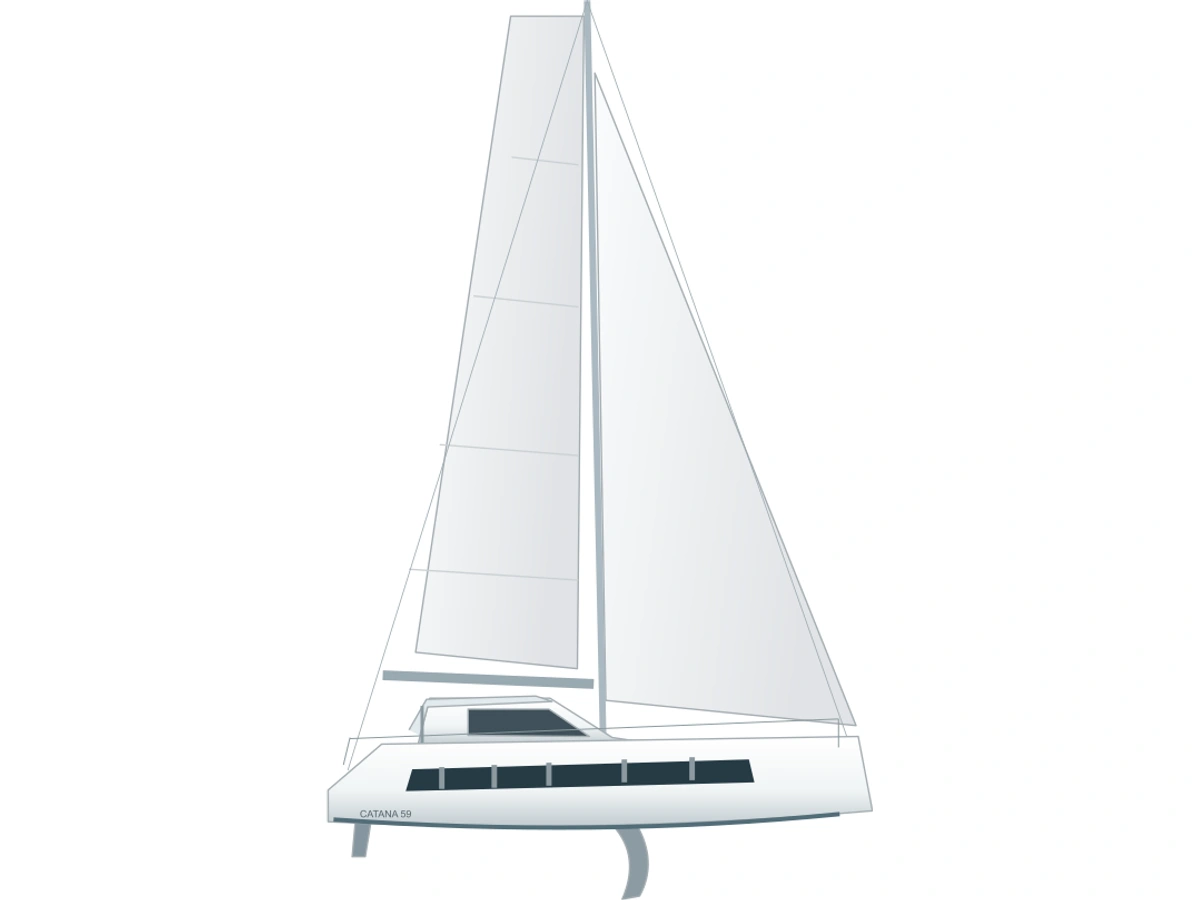
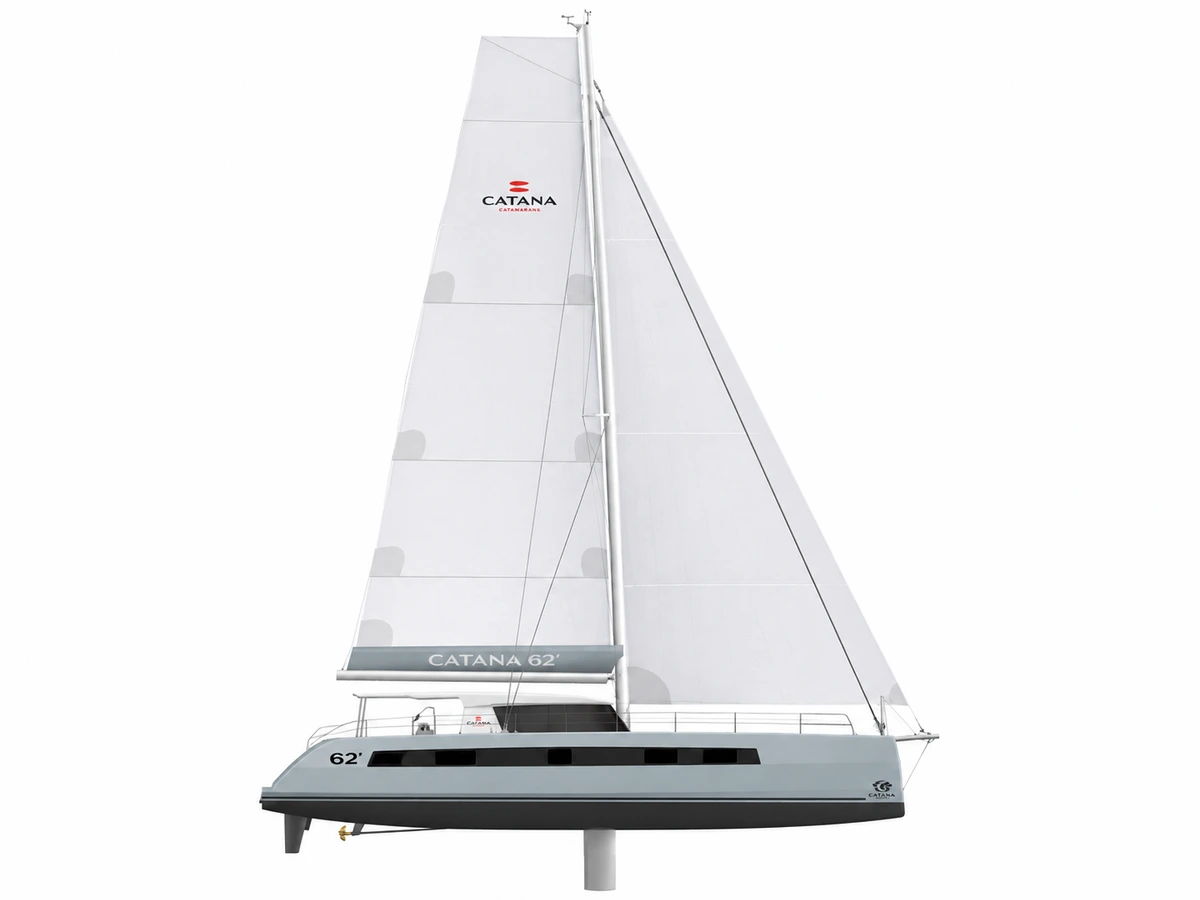

Nouvel arrivage
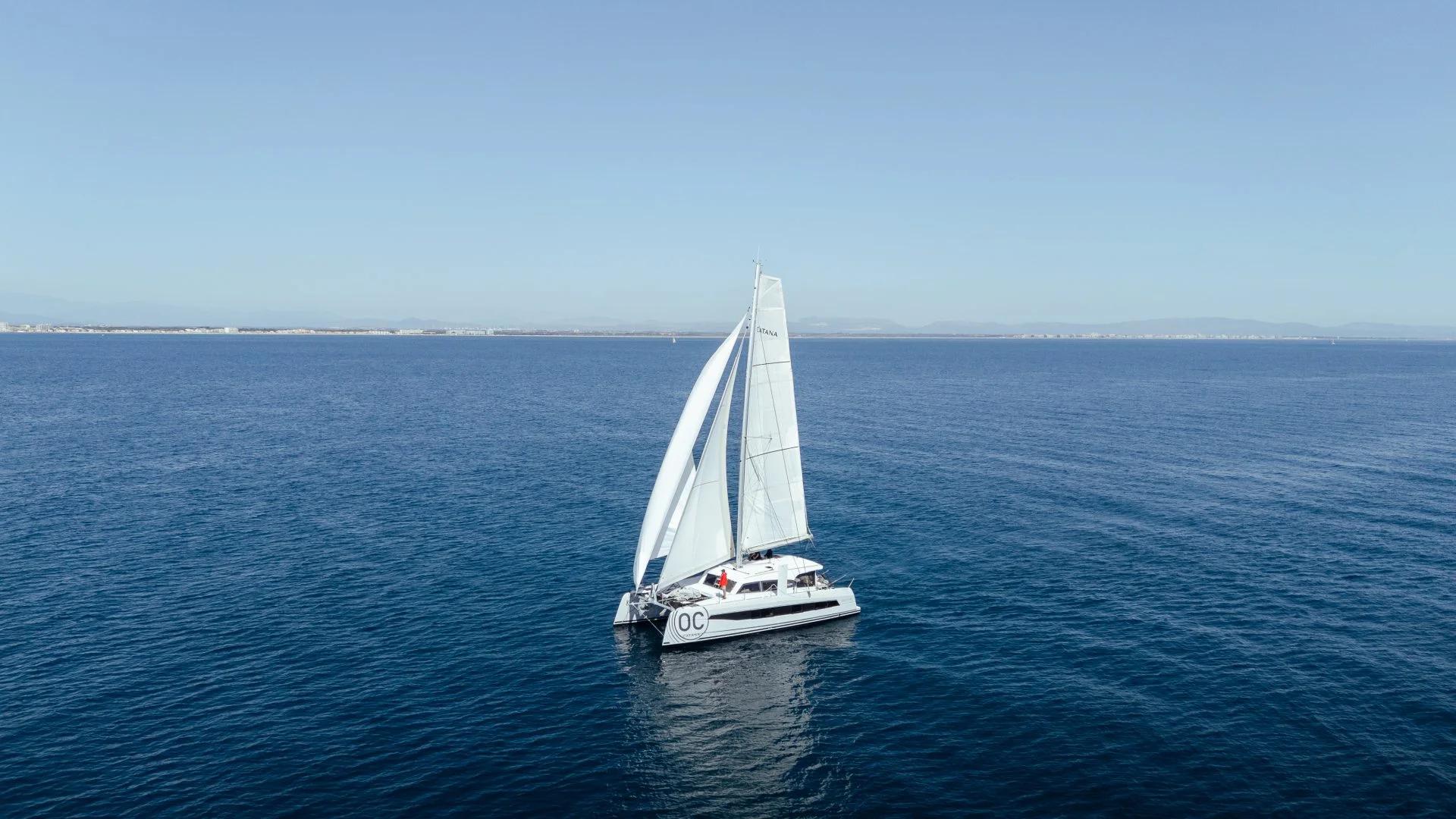
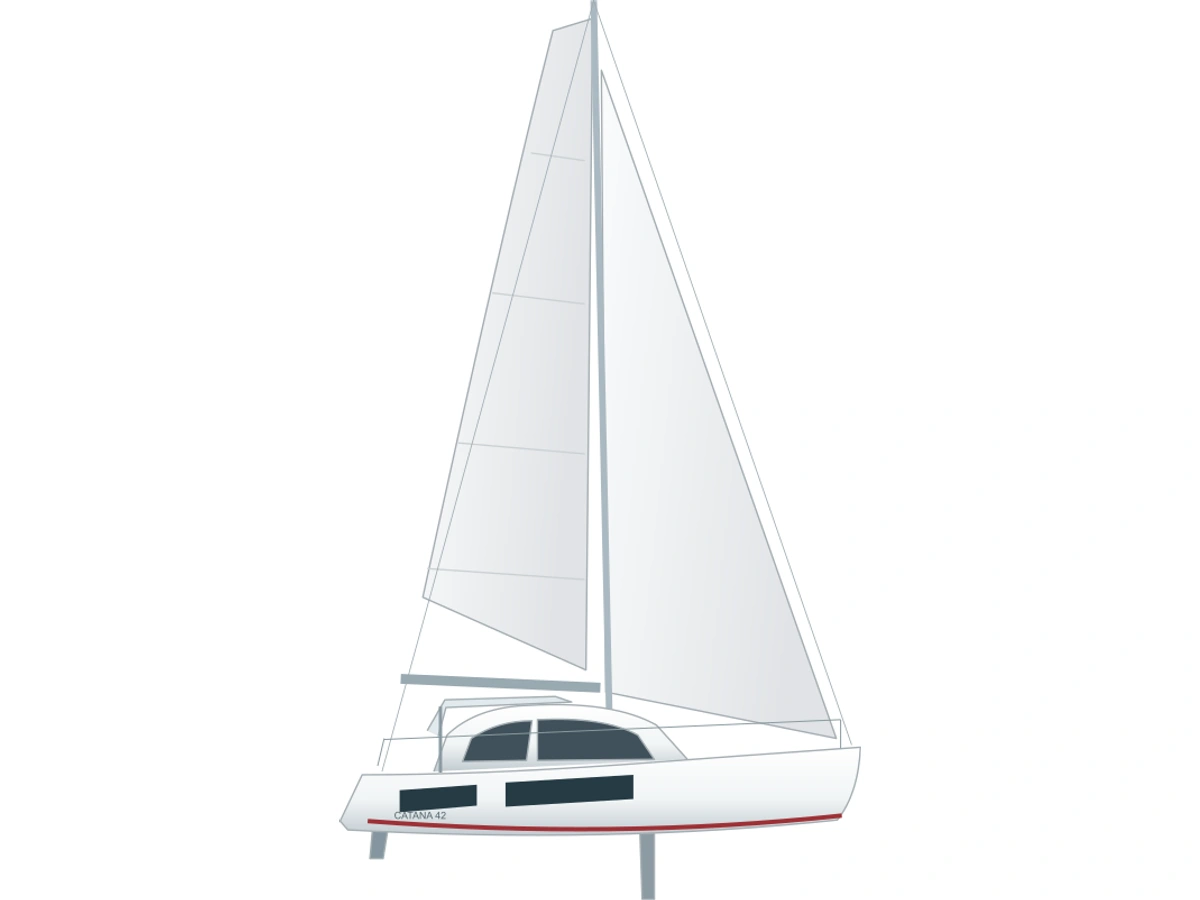
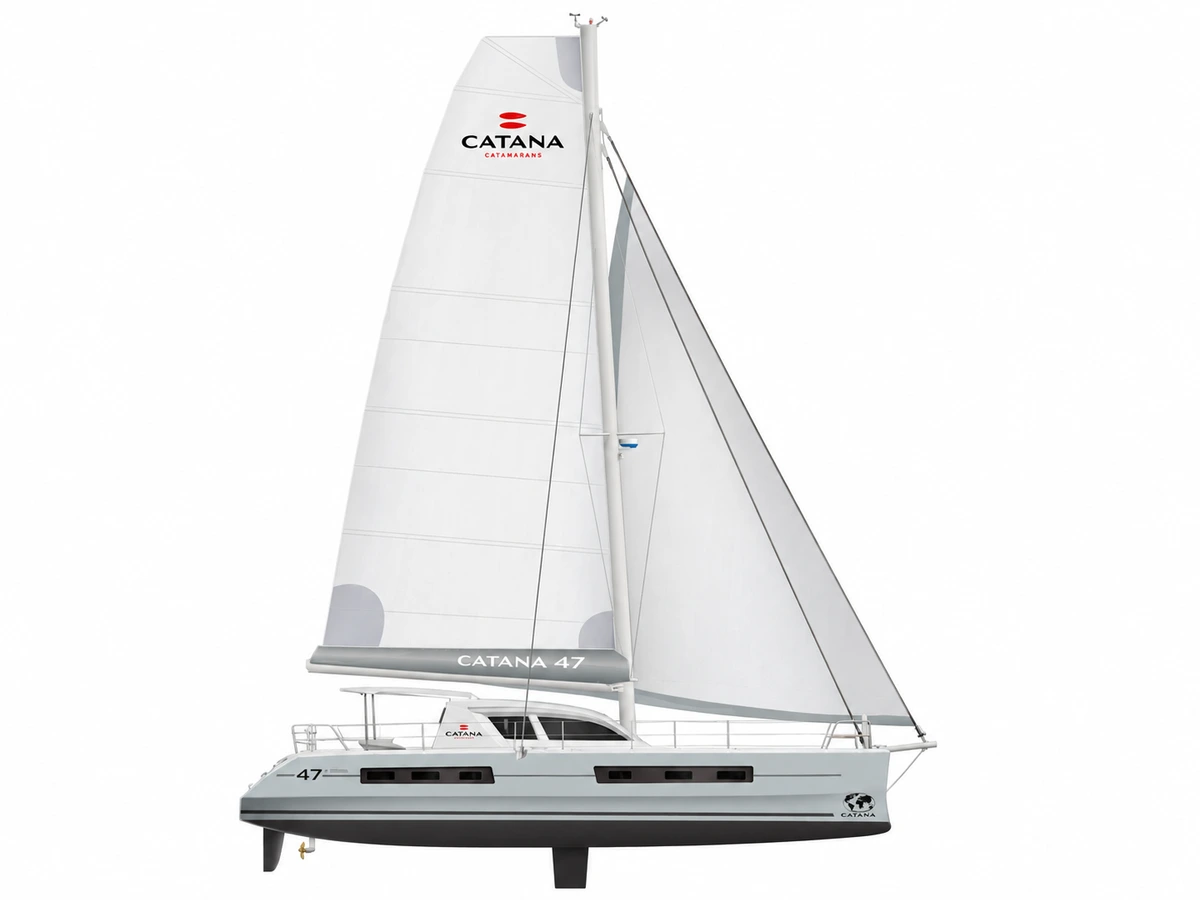
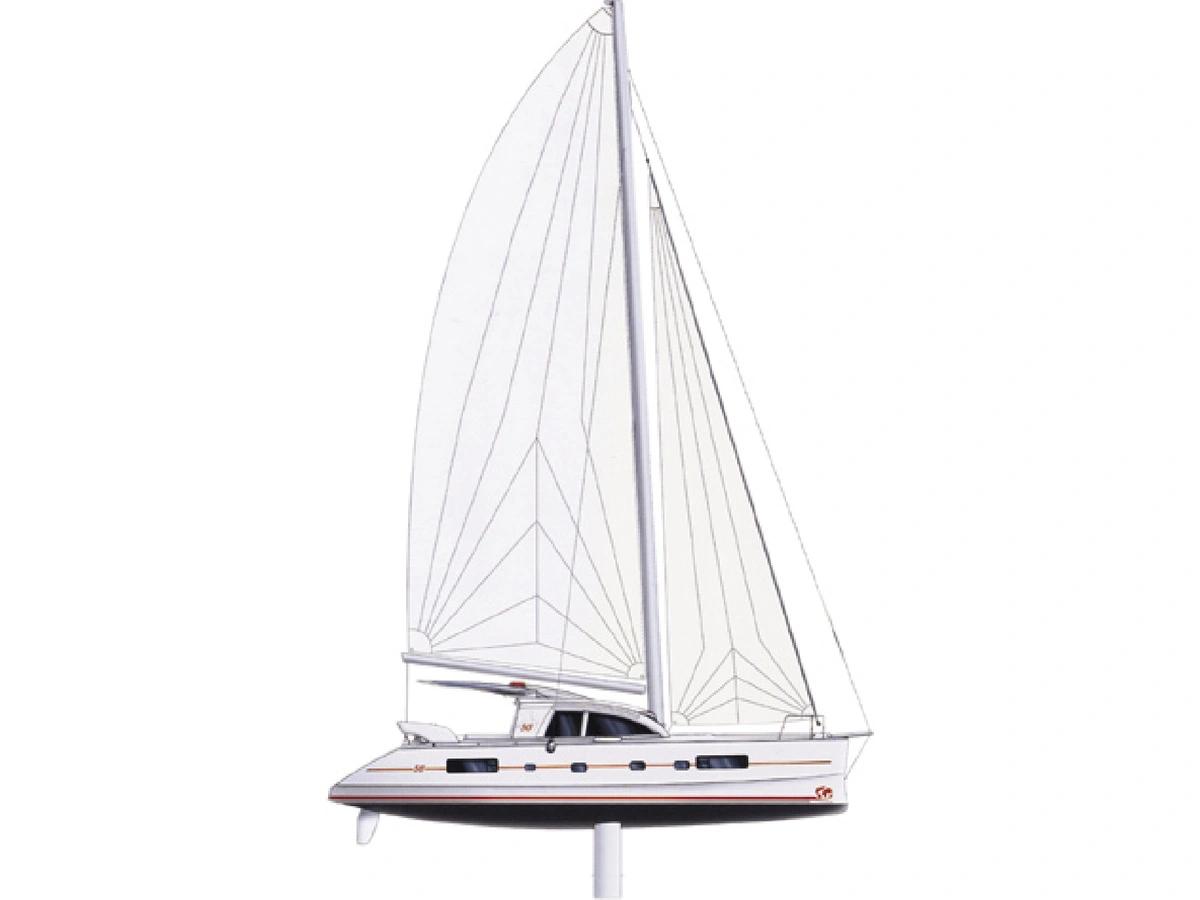
Catana began in Cogolin in 1984 with a focus on sailing performance and offshore cruising, later establishing its yard in Canet-en-Roussillon. Across generations, the French builder has pursued the relationship between passage-making ability, autonomy and comfortable accommodation. Its history includes familiar designs such as the 411 and 471, while the Ocean Class represents a later expression of that long-distance sailing philosophy. Those generations give buyers several distinct interpretations of the Catana cruising catamaran.
A useful comparison starts with the exact design and build year, then considers how the boat will sail with your stores, tender and cruising equipment aboard. Examine the underwater appendages, steering, rig and sail inventory alongside the living spaces, and establish what has been renewed during previous ownership. CatamaranWorld’s Catana guides and available listings help you compare those differences before assessing whether a particular yacht fits your passage plans and maintenance budget.
Compare models, ownership costs, current market opportunities, surveys, and negotiation strategy with a dedicated catamaran specialist on your side.

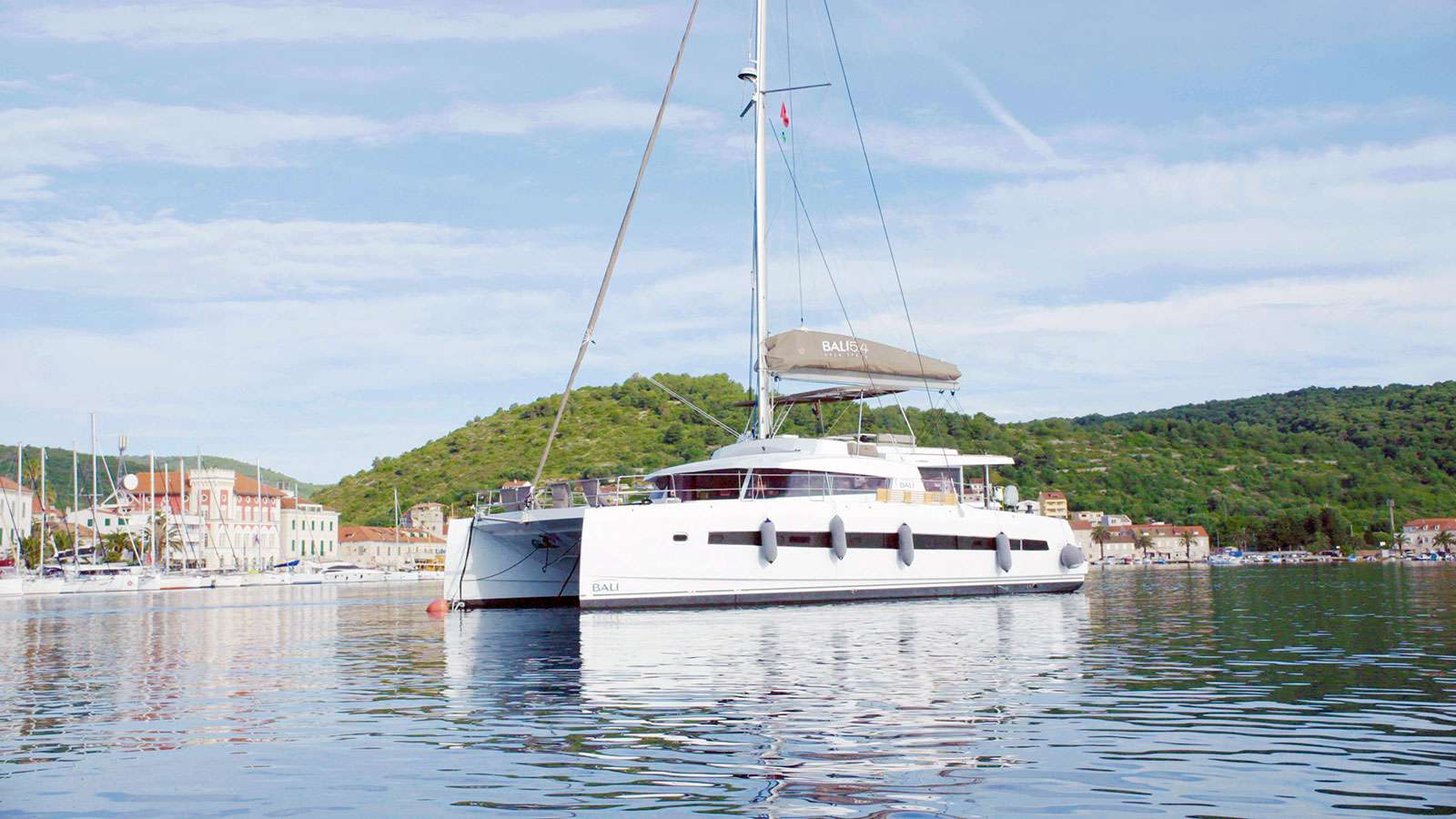
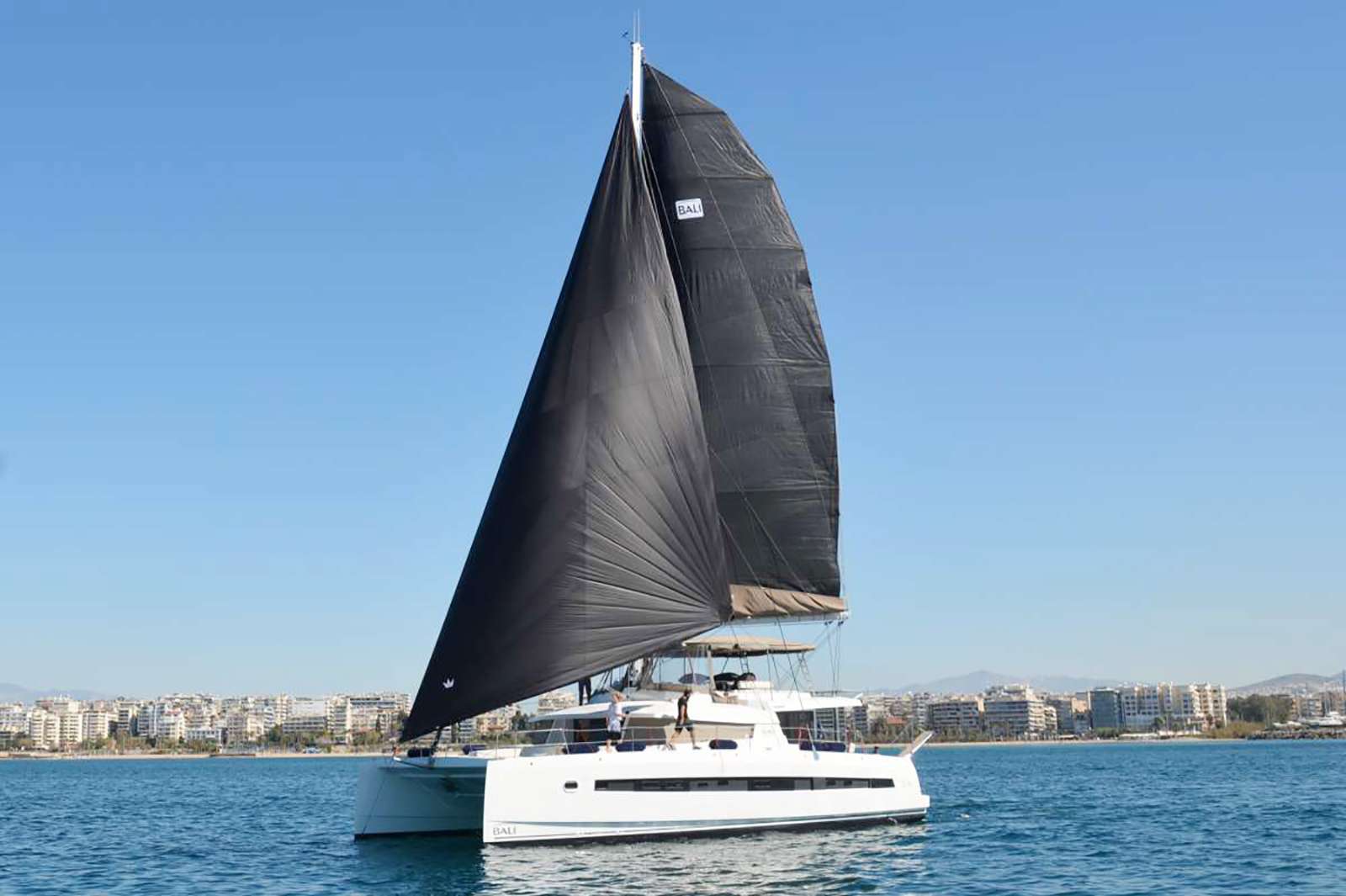
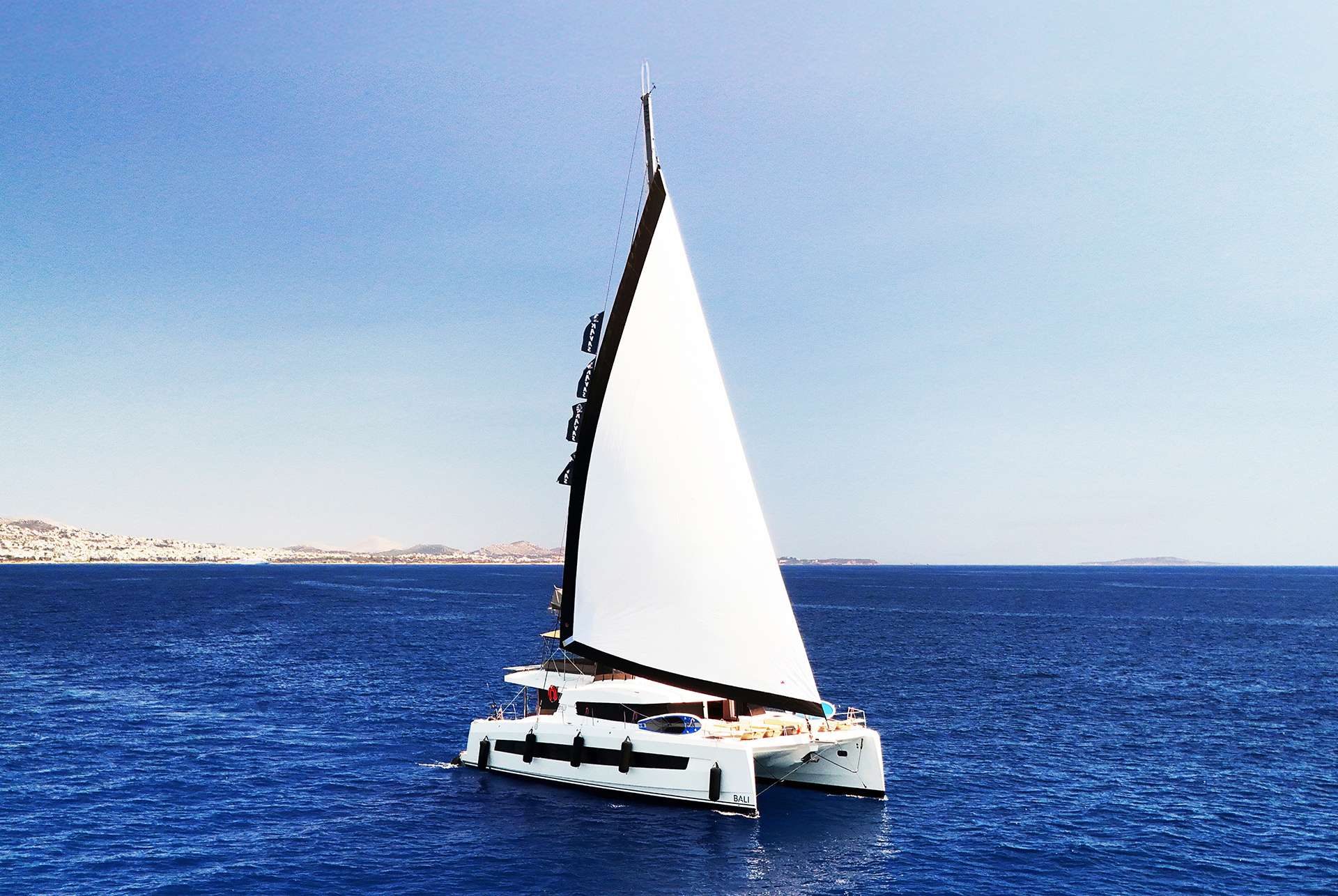
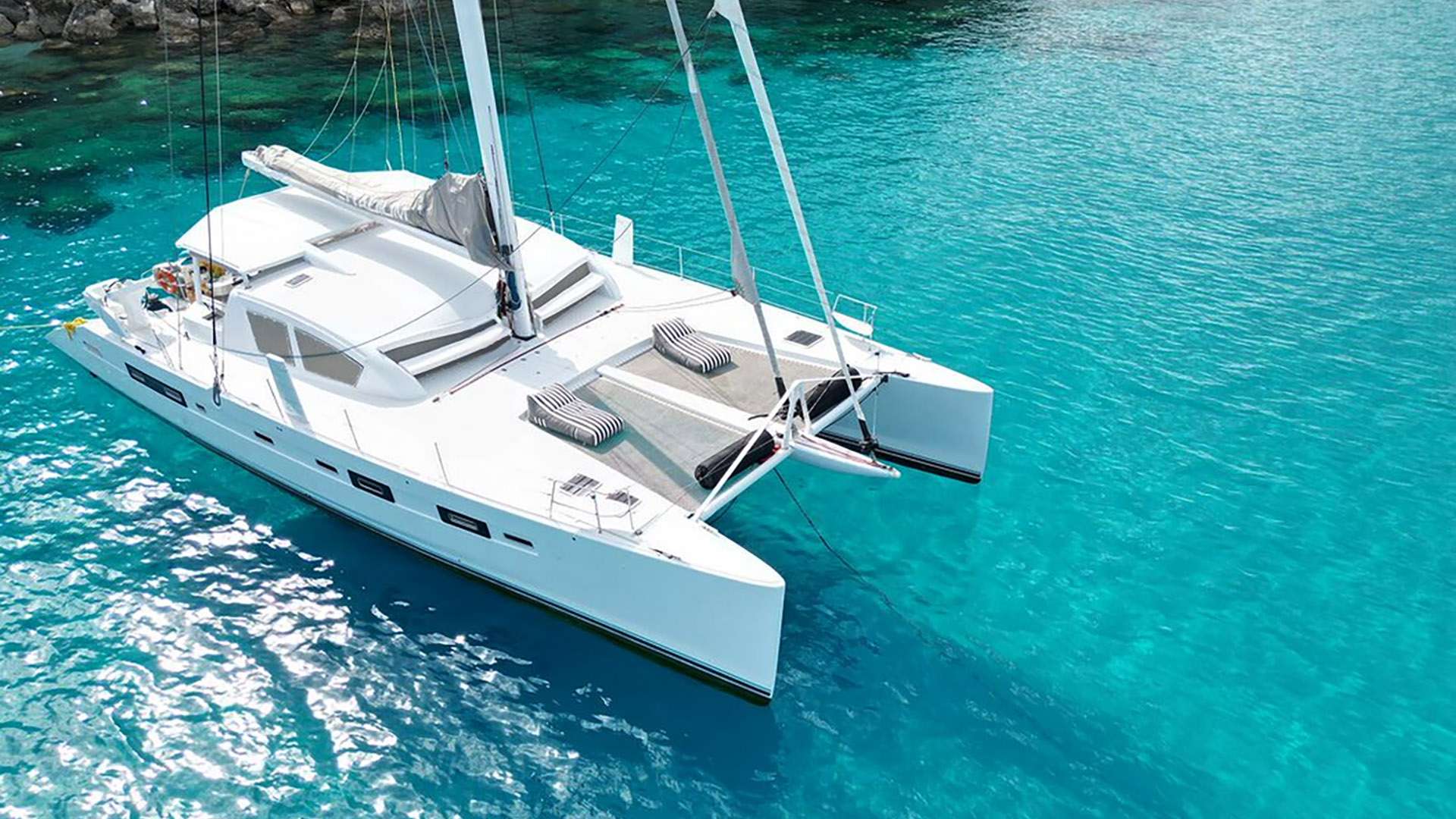
Find your next catamaran by location. Explore yachts for sale and published charter bases.
Locations represent advertised areas or charter bases, not live yacht positions. Listings with unconfirmed locations remain in the list. City reference data: GeoNames.
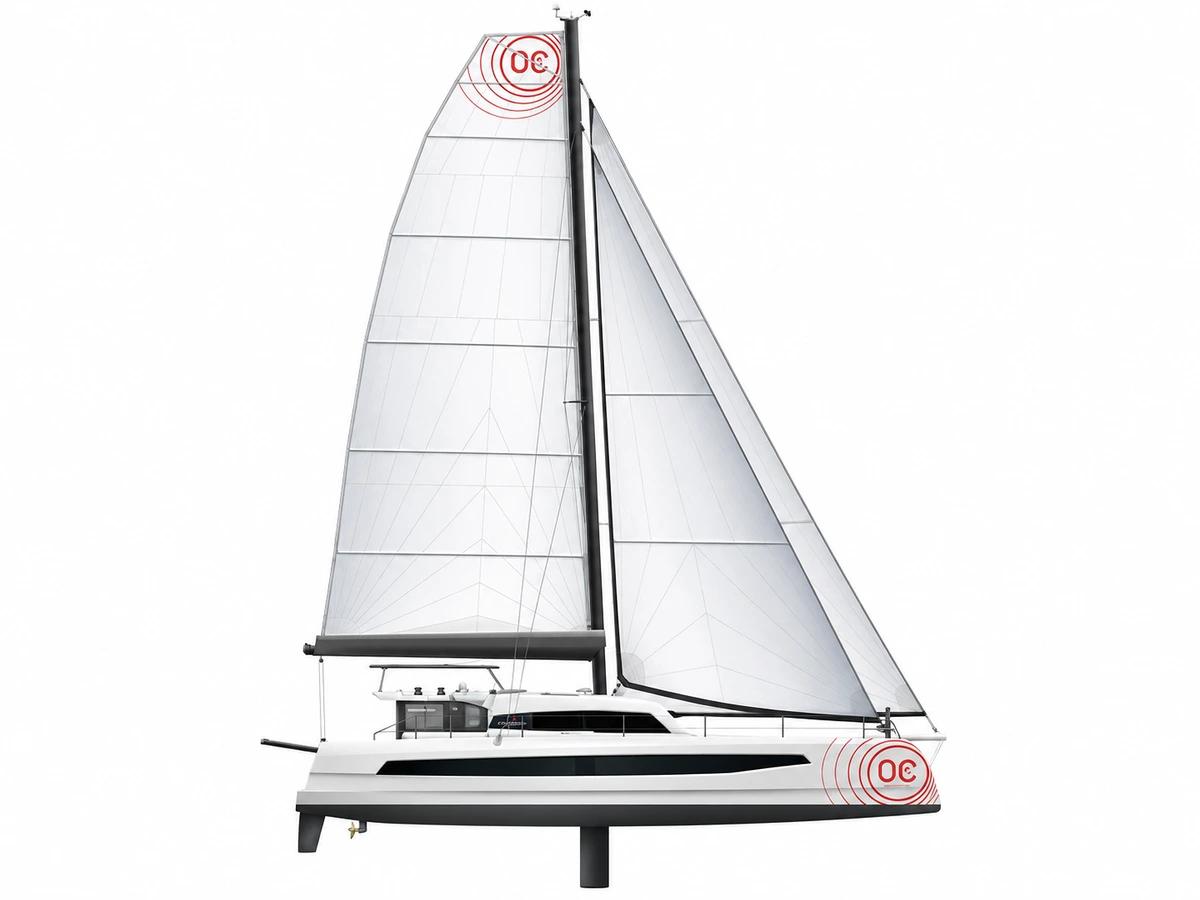
Founded in Cogolin, France, in 1984, Catana is a French builder known for daggerboard sailing catamarans; its work later developed in Canet-en-Roussillon. The current site features the Ocean Class family and its refreshed Ocean Class² (OC²) generation. Older numbered Catanas remain legitimate brokerage choices, though they are different designs rather than Ocean Class variants.
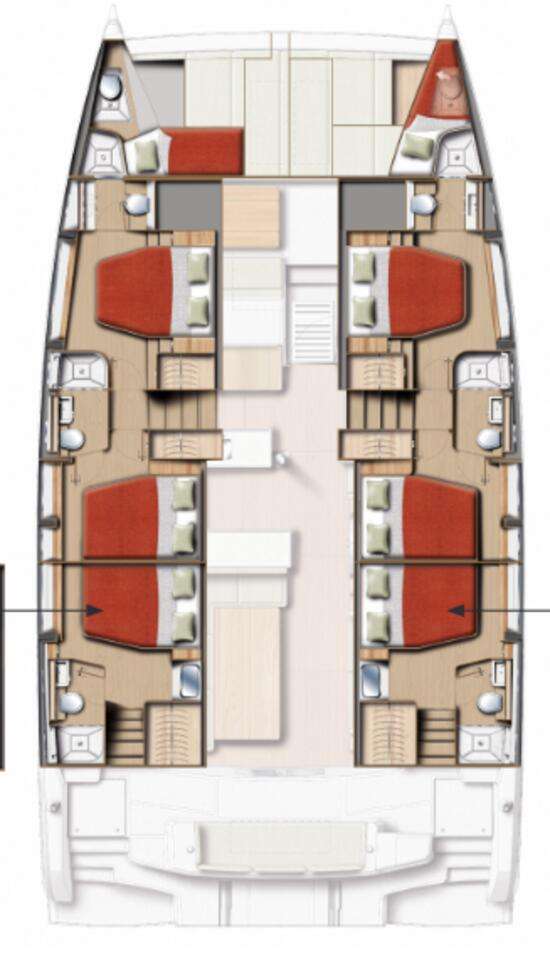
Published Ocean Class plans pair three cabins with two or three bathrooms, while four-cabin layouts offer two or four. In the three-cabin owner arrangement, a berth, dressing and storage area, separate WC, and shower or bathroom occupy one hull. The main-level galley connects cooking with the shared living space, and OC² refreshes the lounge and galley for flexible daily use.
Ocean Class features a single raised, sheltered helm, with electrically assisted daggerboards that can be operated from the helm. Sliding glass panels open the enclosed living area toward the aft lounge, linking sheltered and open-air spaces. Construction combines foam-sandwich structure, targeted carbon reinforcement, and CompoLite furniture; documented boats use twin diesel saildrives, with equipment varying by build.
When choosing between older numbered Catanas and current Ocean Class builds, consider that they are distinct designs, and compare OC²’s revised lounge, seating, and galley with earlier Ocean Class versions. CatamaranWorld model guides can help frame those choices; an individual boat’s specification depends on its generation and actual fitted equipment. Bali is a separate brand, not an Ocean Class variant.