BALI 5.2
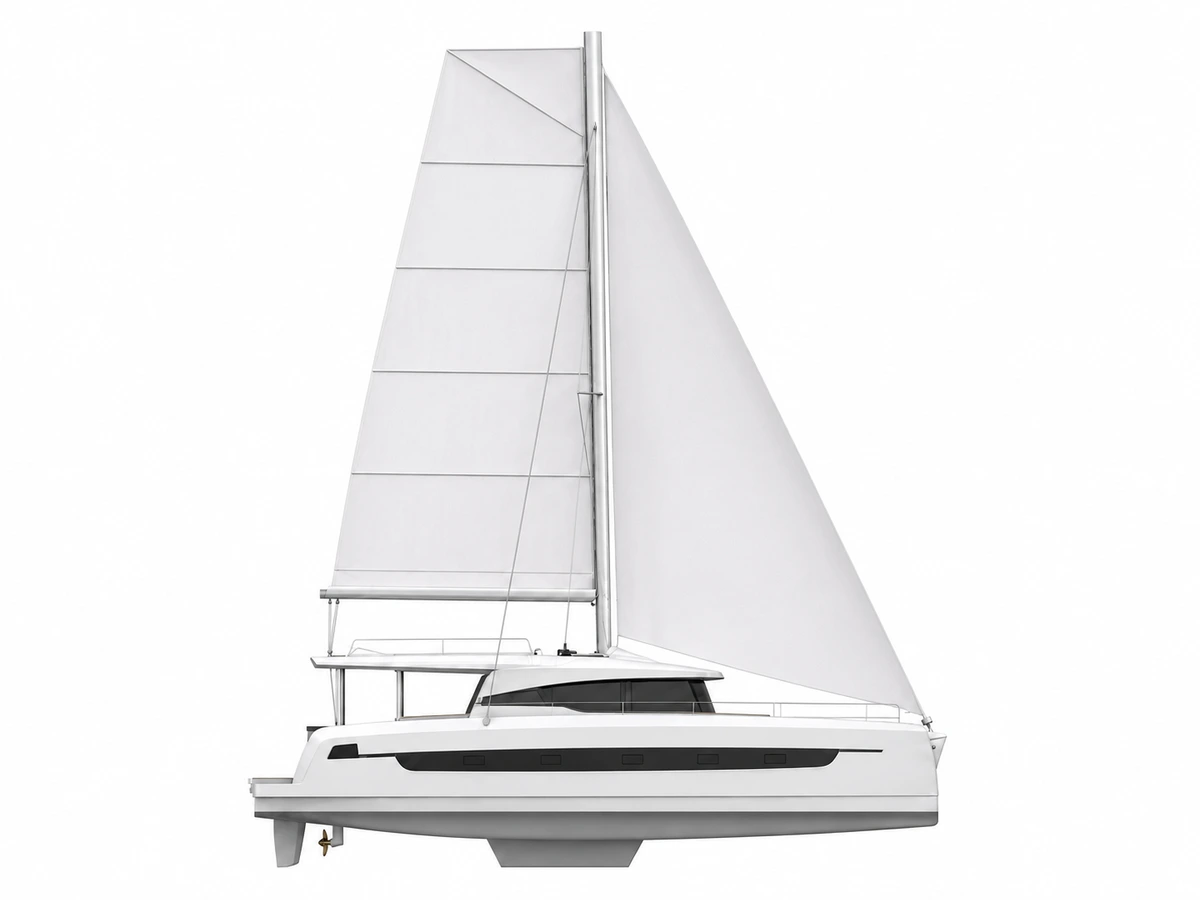
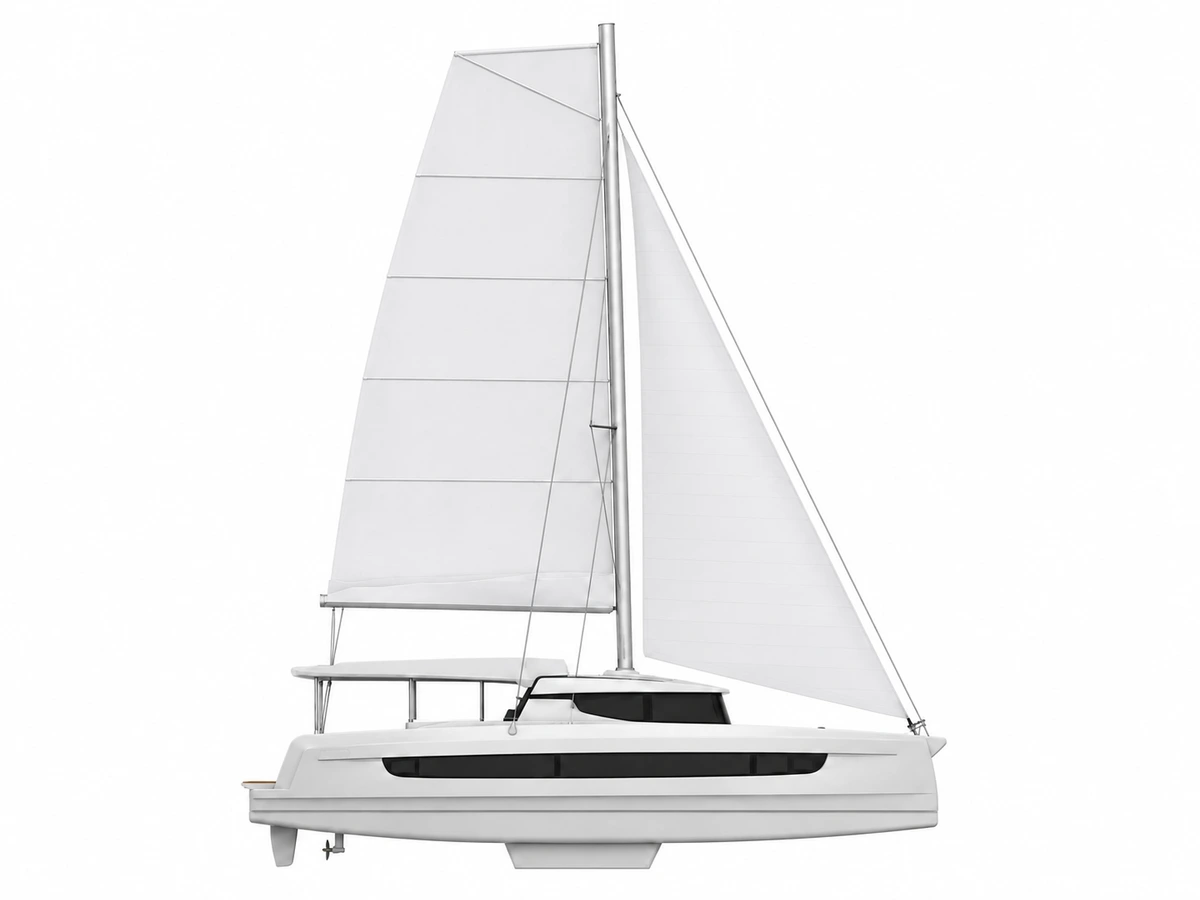
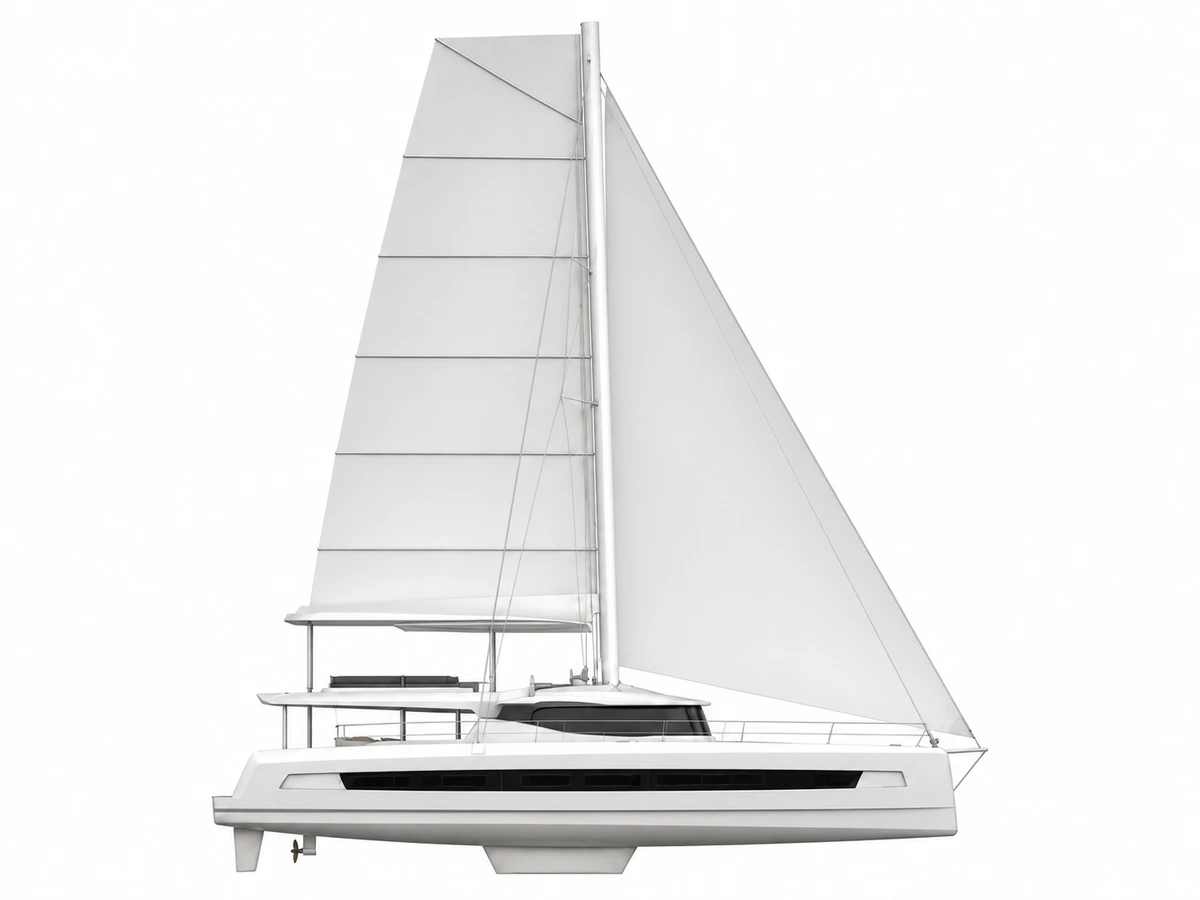
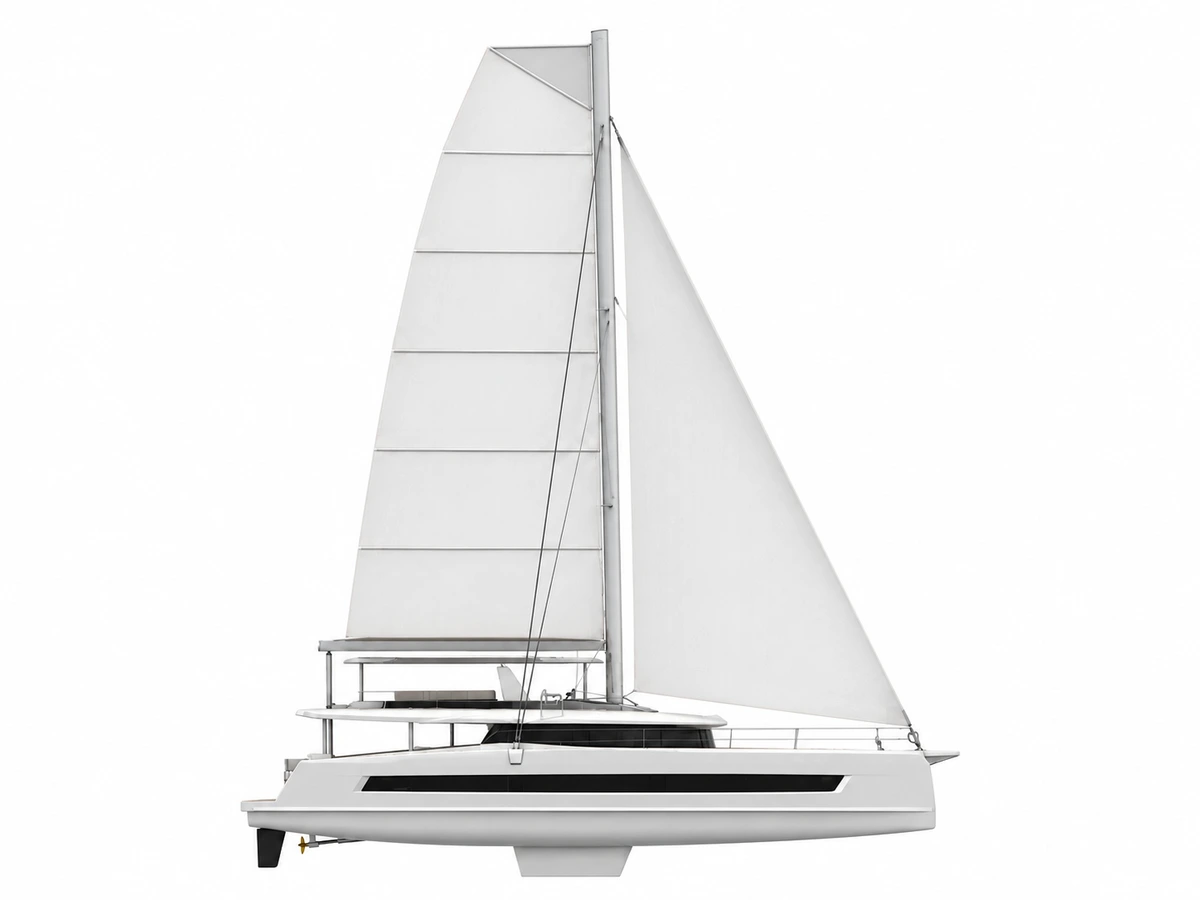
Official Bali Catamarans presentation. The yacht shown may have different options from an individual listing.
About the BALI 5.2
The BALI 5.2 is a cruising sailing catamaran developed by Catana’s R&D department, with interior design by PIATON BERCO. Its main-deck arrangement supports sociable cruising: a U-shaped galley, large dining table and L-shaped seating share the saloon, while a forward door gives direct access to a separate forward cockpit for another gathering area.
The accommodation range runs from three to six cabins, including owner-suite and forepeak arrangements, and some plans add an extra berth. A six-cabin plan prioritizes guest capacity, whereas an owner version gives more of the layout to a private suite; forepeak sleeping spaces sit farther forward, so buyers should consider who will use them and how that location fits the crew.
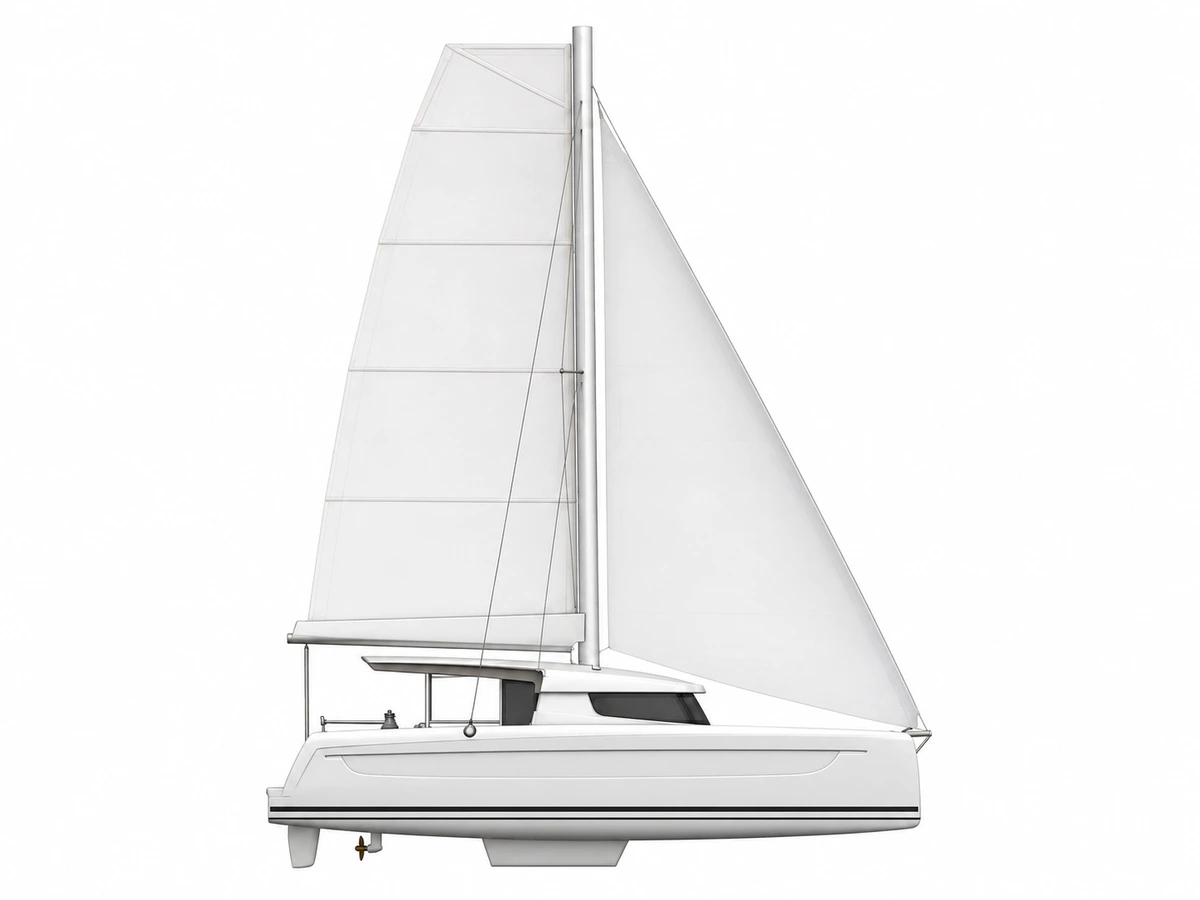
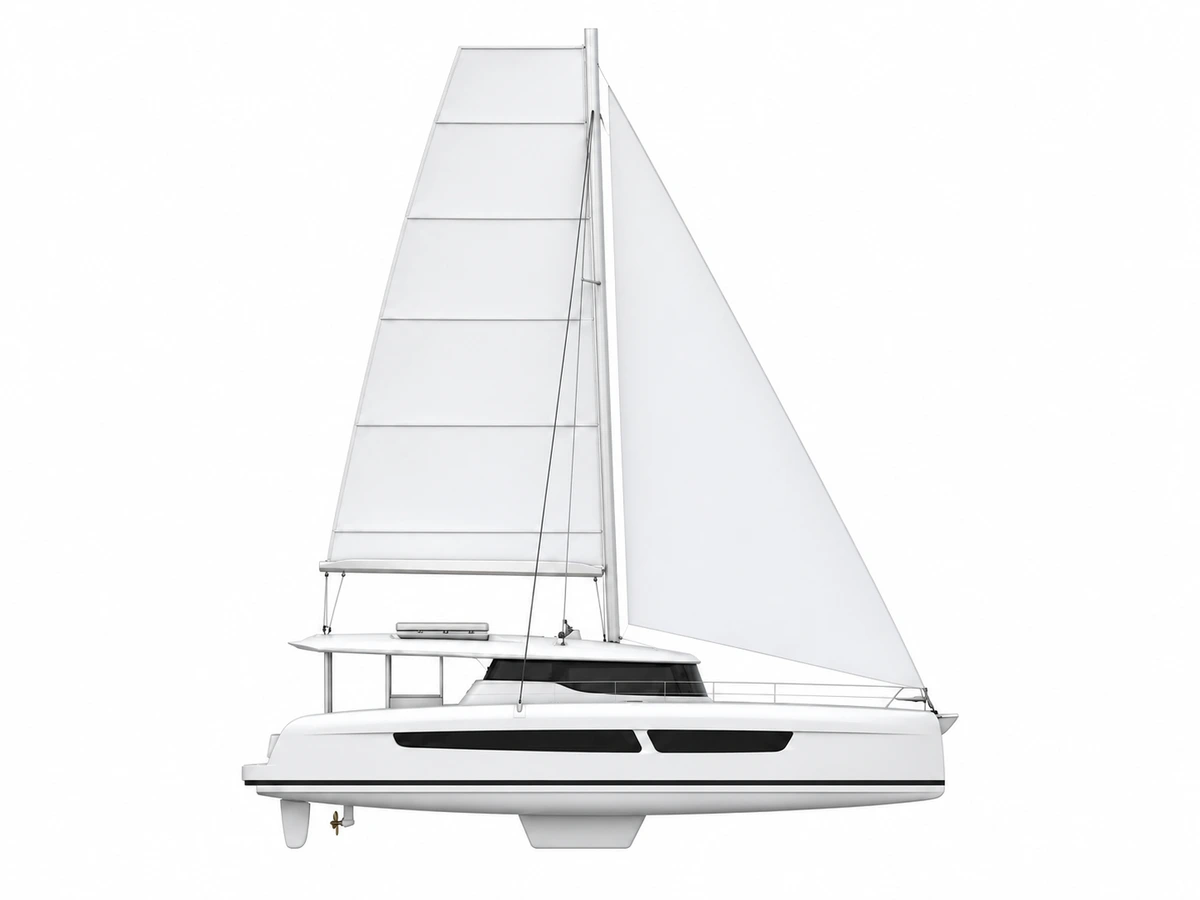
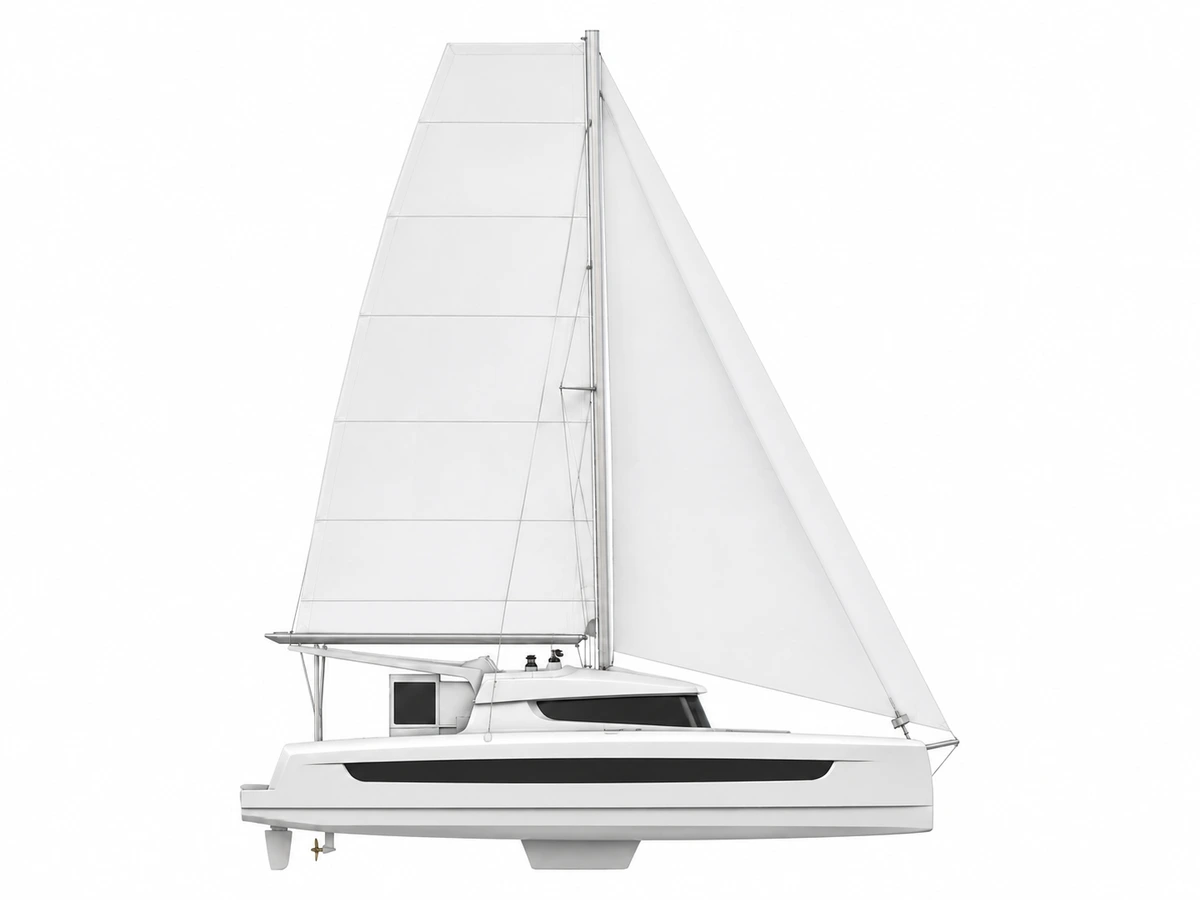
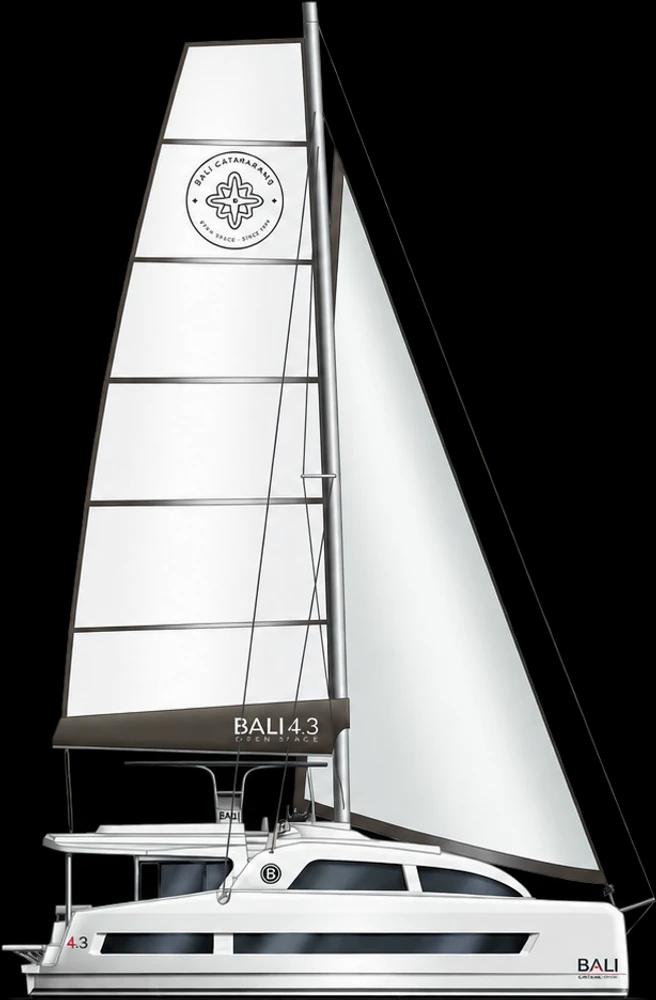
At the stern, the Beach Club incorporates a hydraulic platform for tender handling and swimming, making this feature relevant to owners who expect frequent water access or carry a tender. The rig combines a 70 m² overlapping genoa with a square-top mainsail, while published standard and maximum sail areas differ; rooftop and engine selections also vary between boats and should be checked individually.
For buyers choosing within the range, the BALI 5.2 offers broader cabin-count choices than the BALI 4.6, while the BALI 5.8 adds distinct one- and two-owner-suite plans and a rooftop lounge. CatamaranWorld can be used to compare the exact 5.2 layout and actual inventory, especially when deciding whether flexible guest capacity matters more than the smaller model’s arrangements or the larger model’s additional owner-suite choices.
BALI 5.2 accommodation layouts
Manufacturer general-arrangement drawings. Open a plan for a closer look.
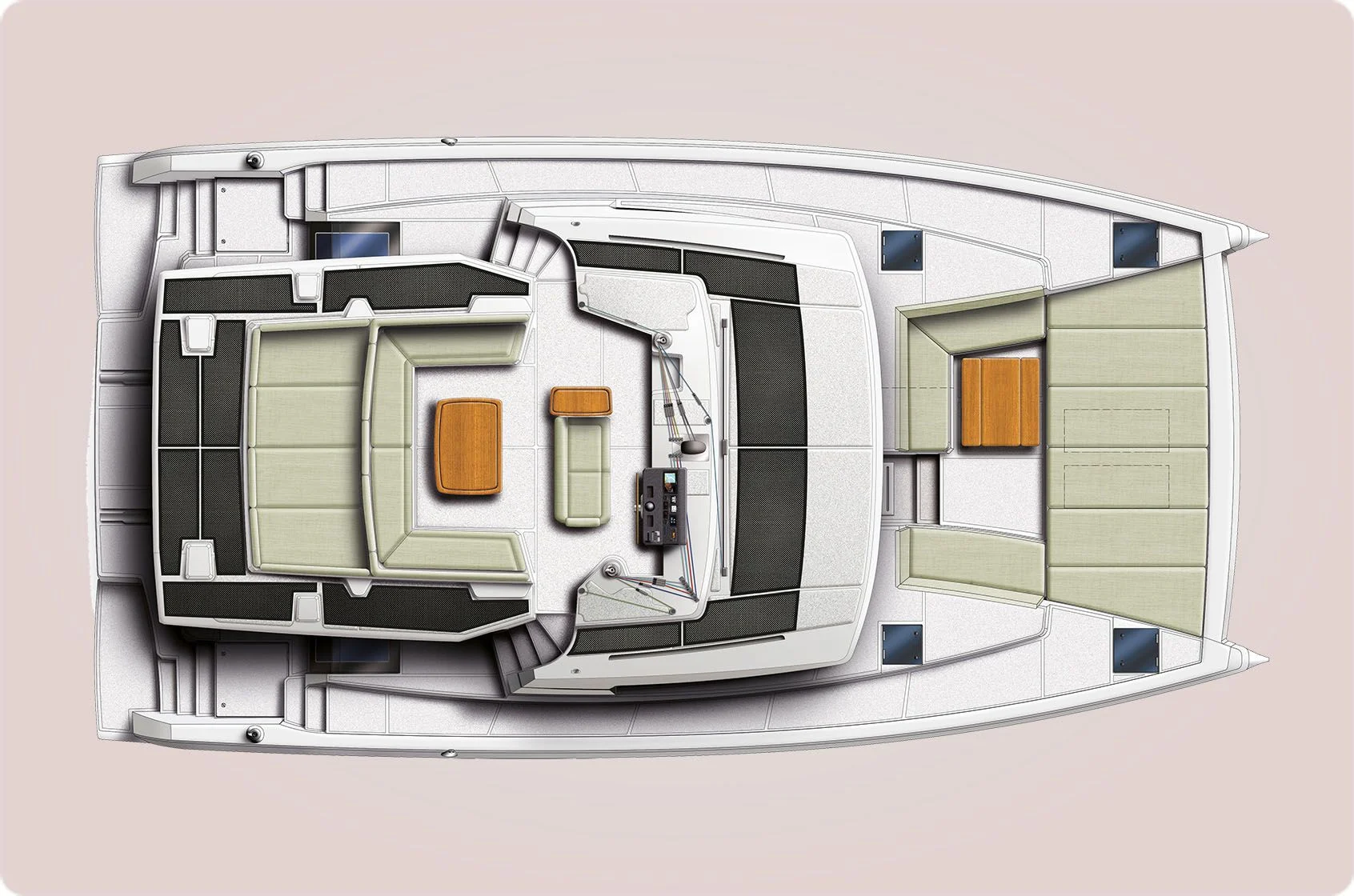
Manufacturer plan for this configuration. Open the drawing to compare accommodation, deck layout and circulation.
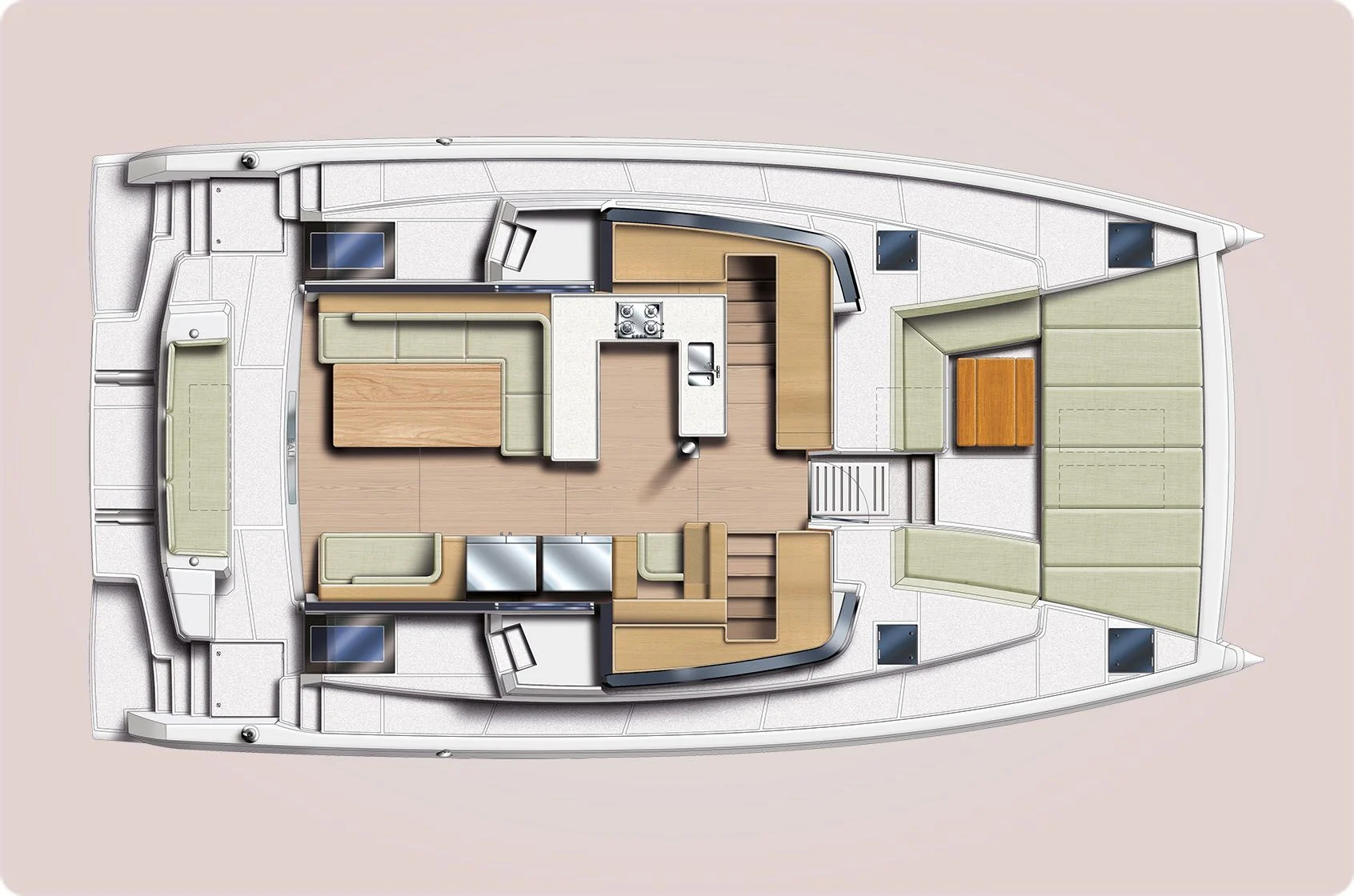
Manufacturer plan for this configuration. Open the drawing to compare accommodation, deck layout and circulation.
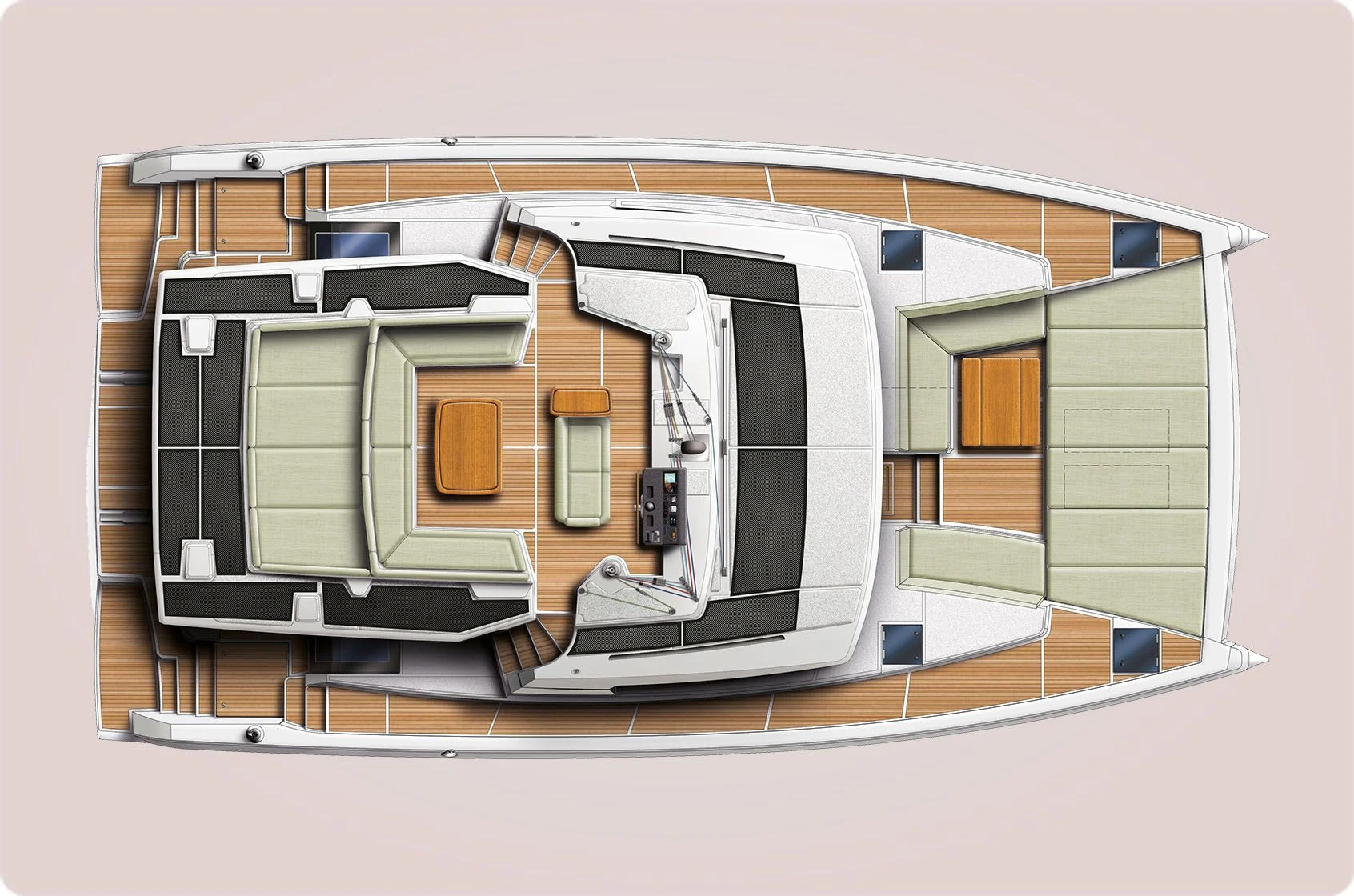
Manufacturer plan for this configuration. Open the drawing to compare accommodation, deck layout and circulation.
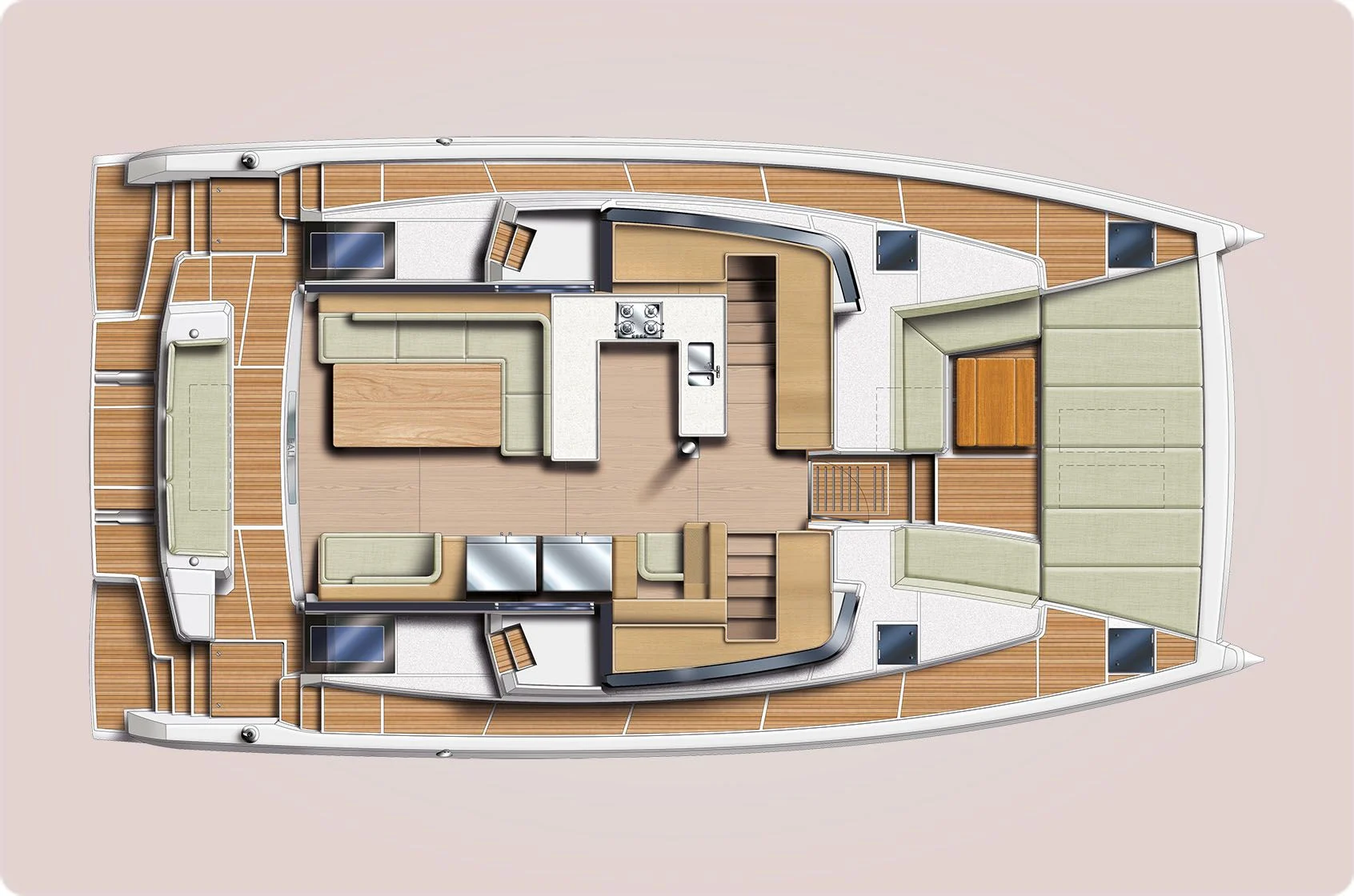
Manufacturer plan for this configuration. Open the drawing to compare accommodation, deck layout and circulation.
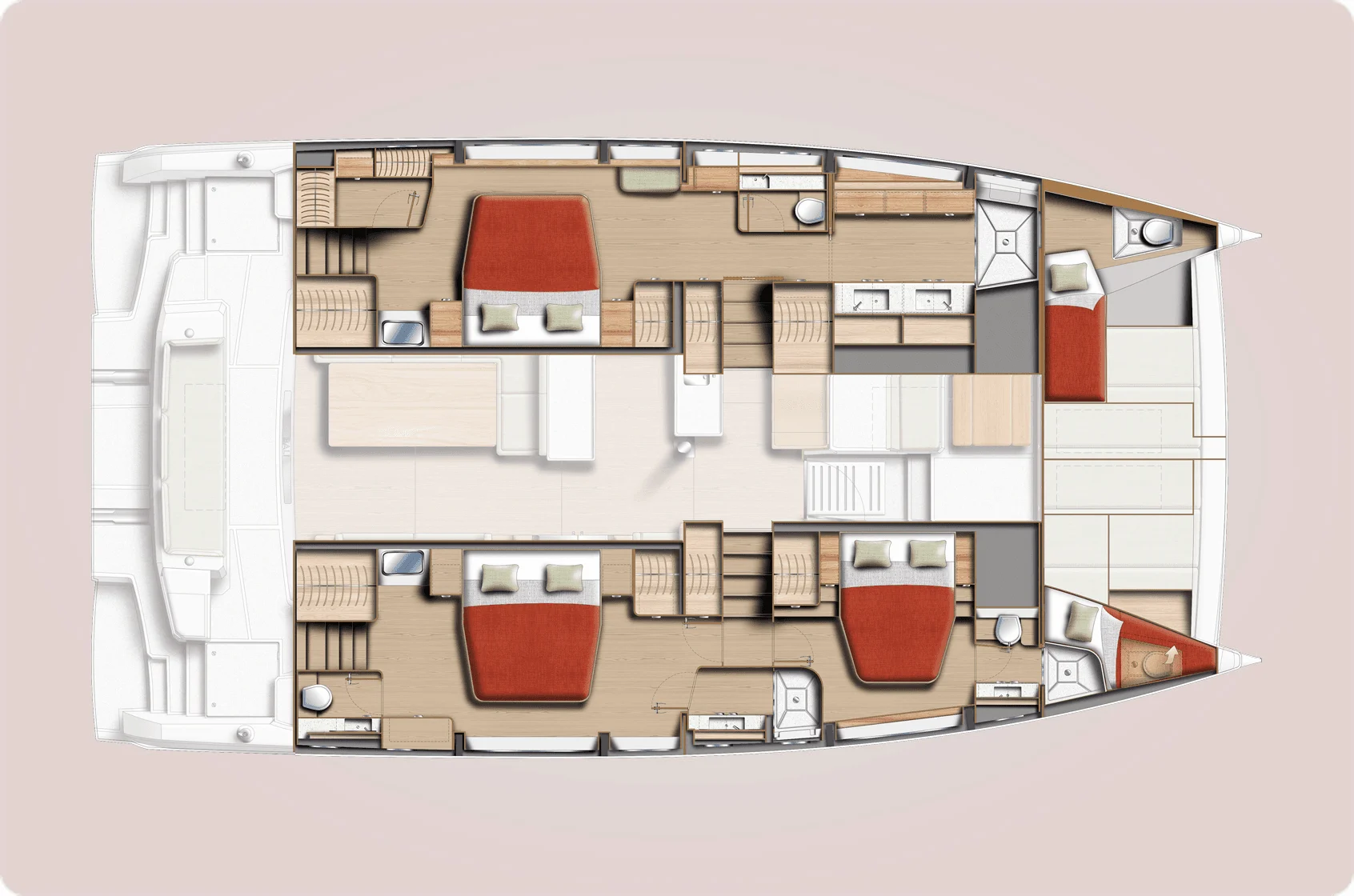
Manufacturer plan for this configuration. Open the drawing to compare accommodation, deck layout and circulation.
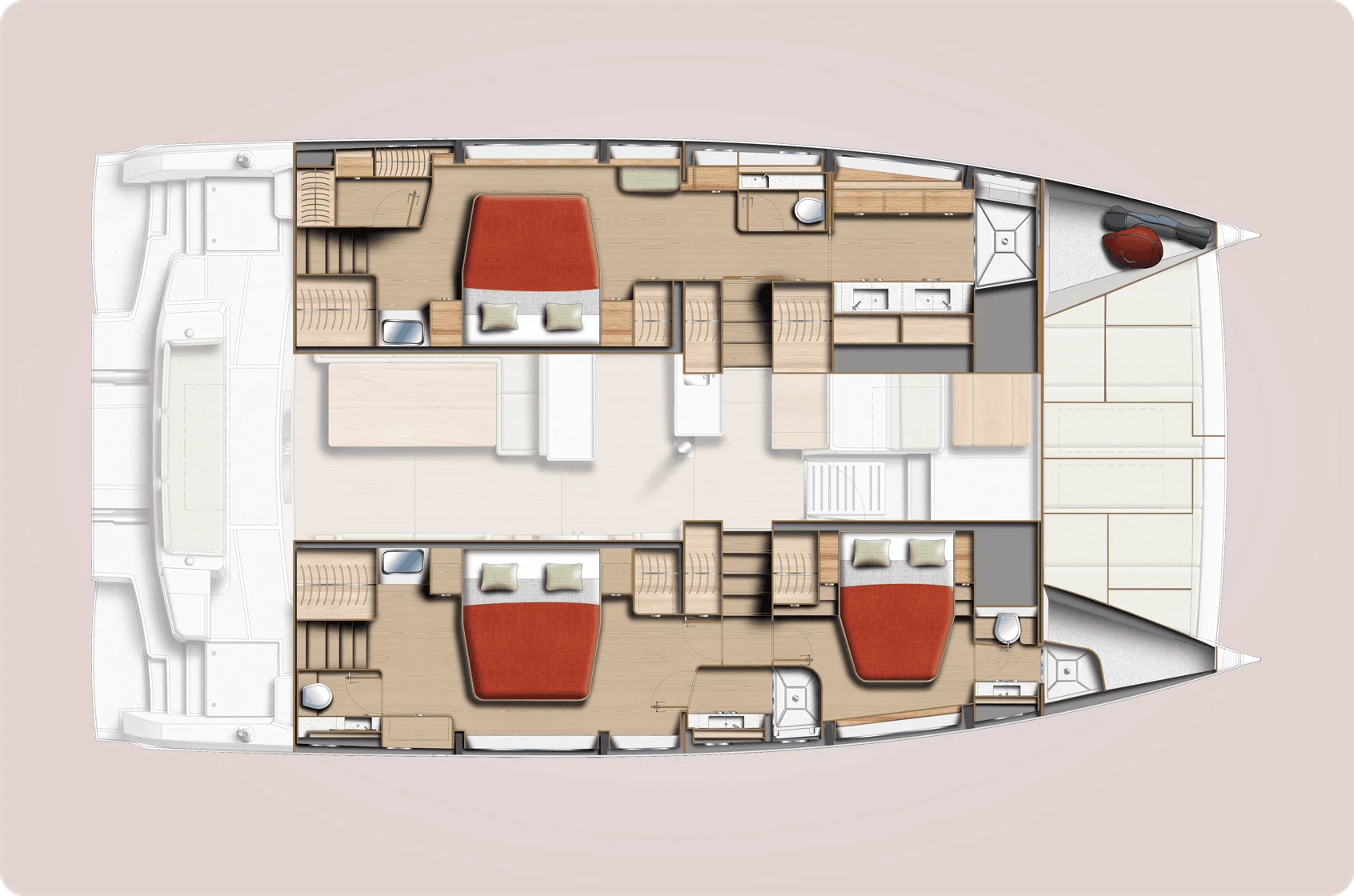
Manufacturer plan for this configuration. Open the drawing to compare accommodation, deck layout and circulation.
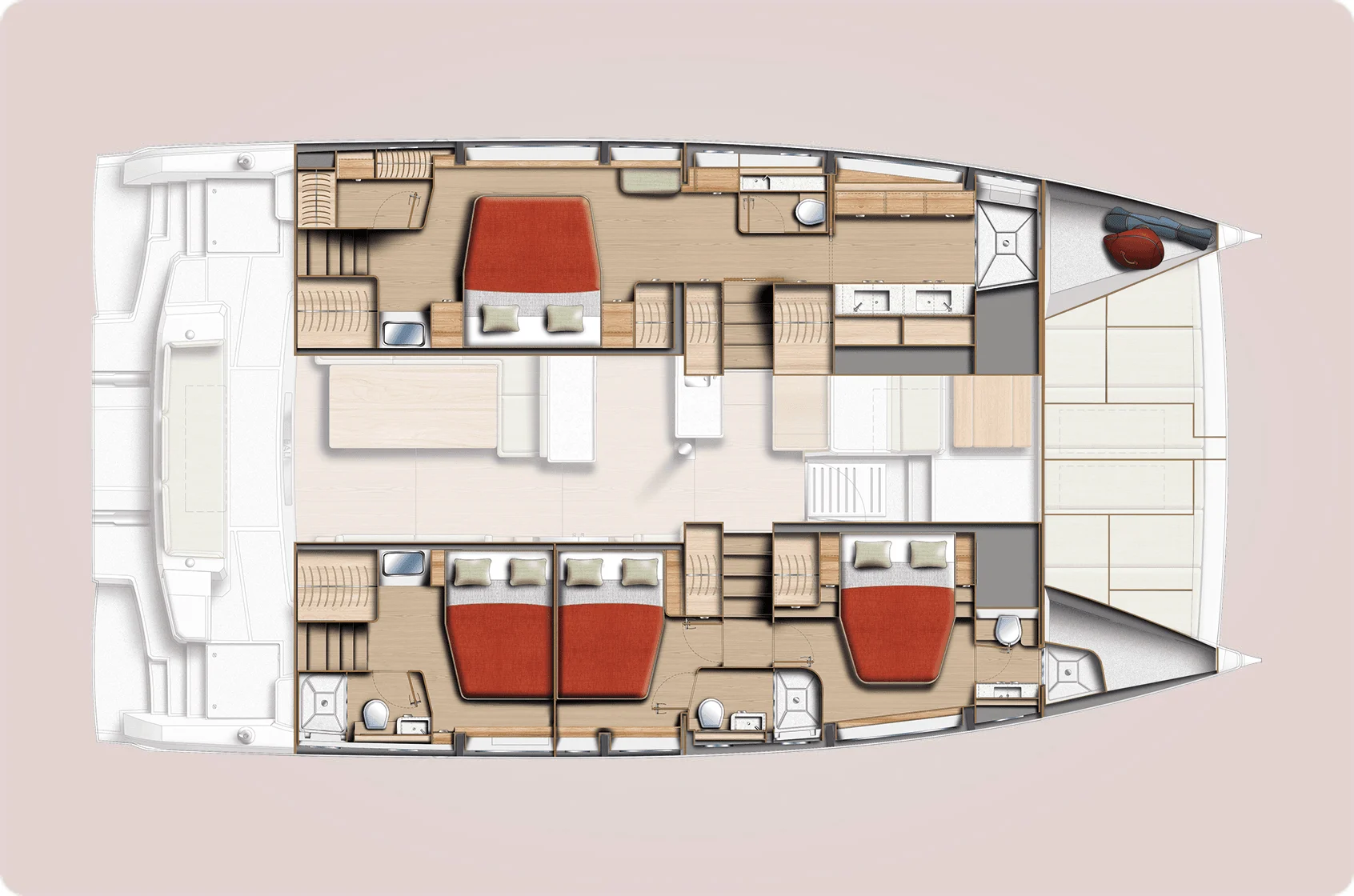
Manufacturer plan for this configuration. Open the drawing to compare accommodation, deck layout and circulation.
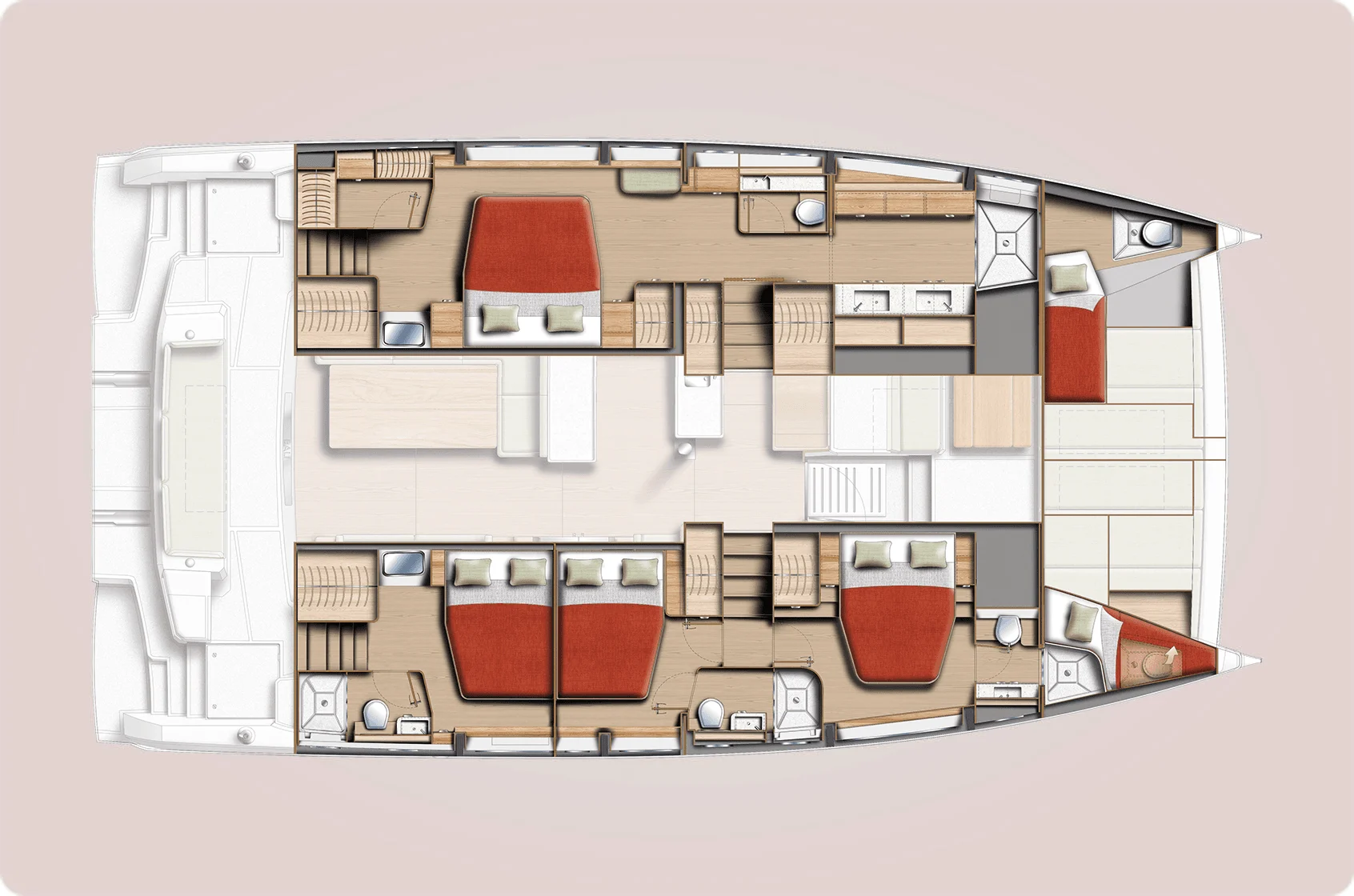
Manufacturer plan for this configuration. Open the drawing to compare accommodation, deck layout and circulation.
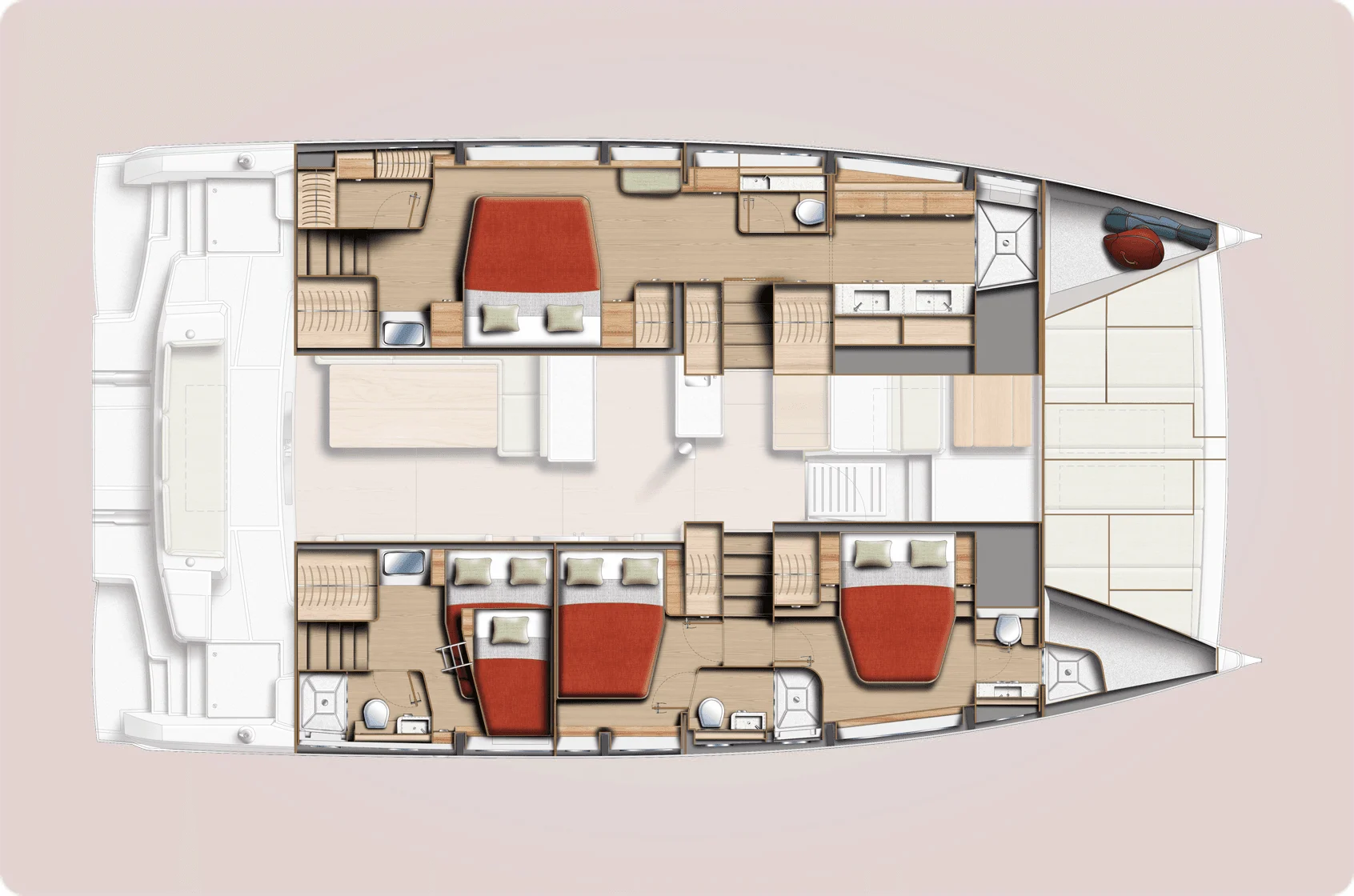
Manufacturer plan for this configuration. Open the drawing to compare accommodation, deck layout and circulation.
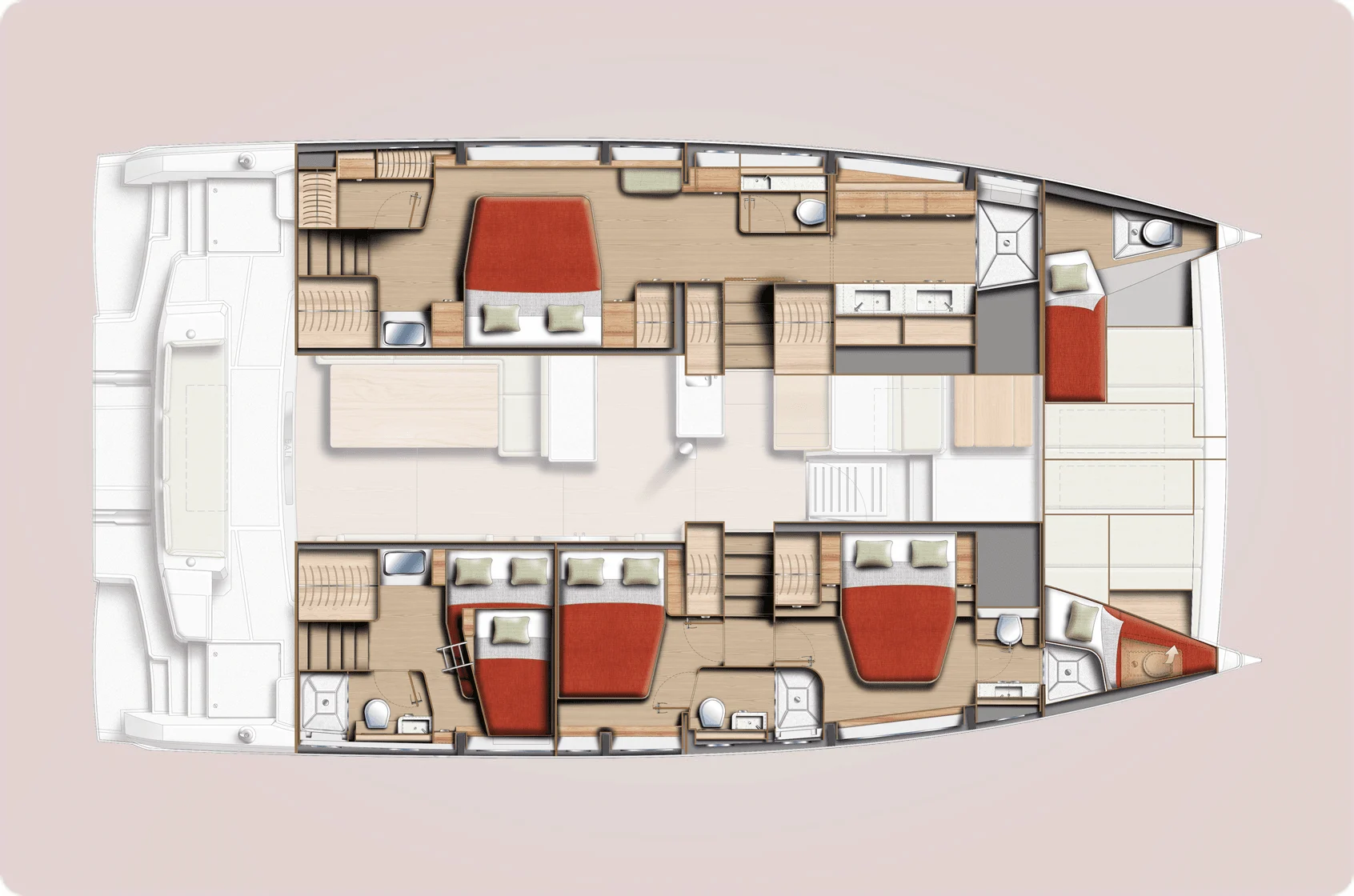
Manufacturer plan for this configuration. Open the drawing to compare accommodation, deck layout and circulation.
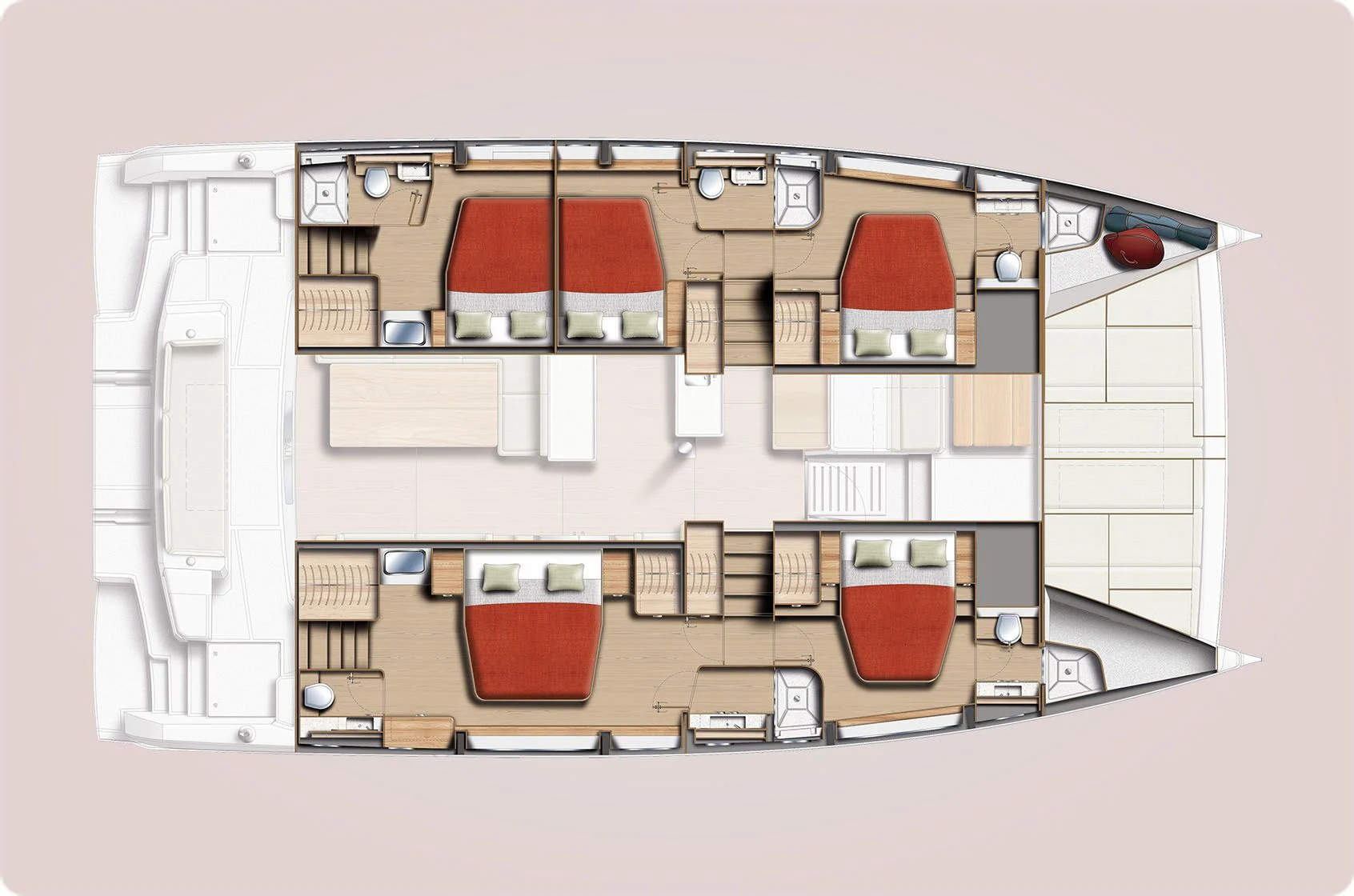
Manufacturer plan for this configuration. Open the drawing to compare accommodation, deck layout and circulation.
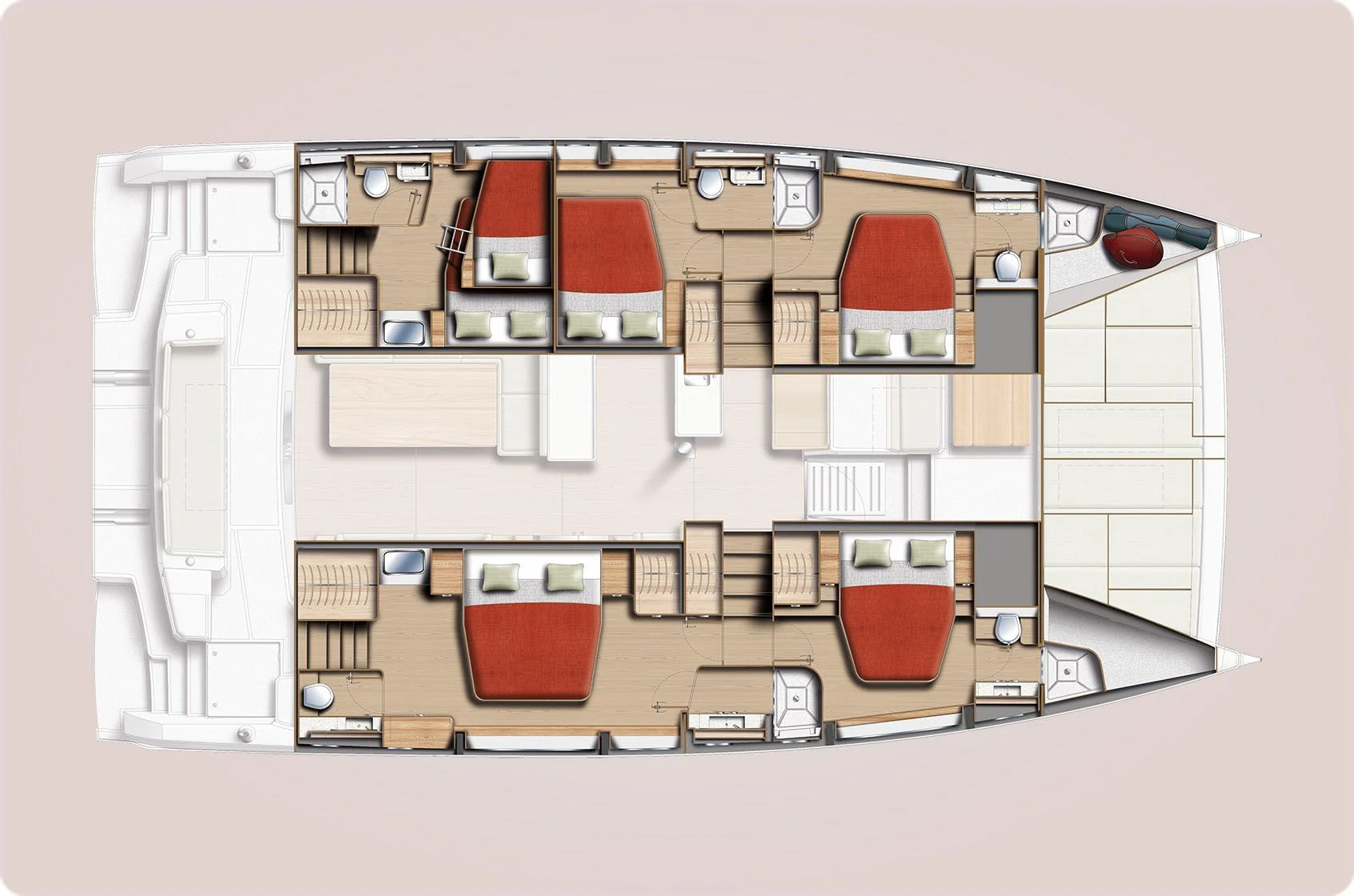
Manufacturer plan for this configuration. Open the drawing to compare accommodation, deck layout and circulation.
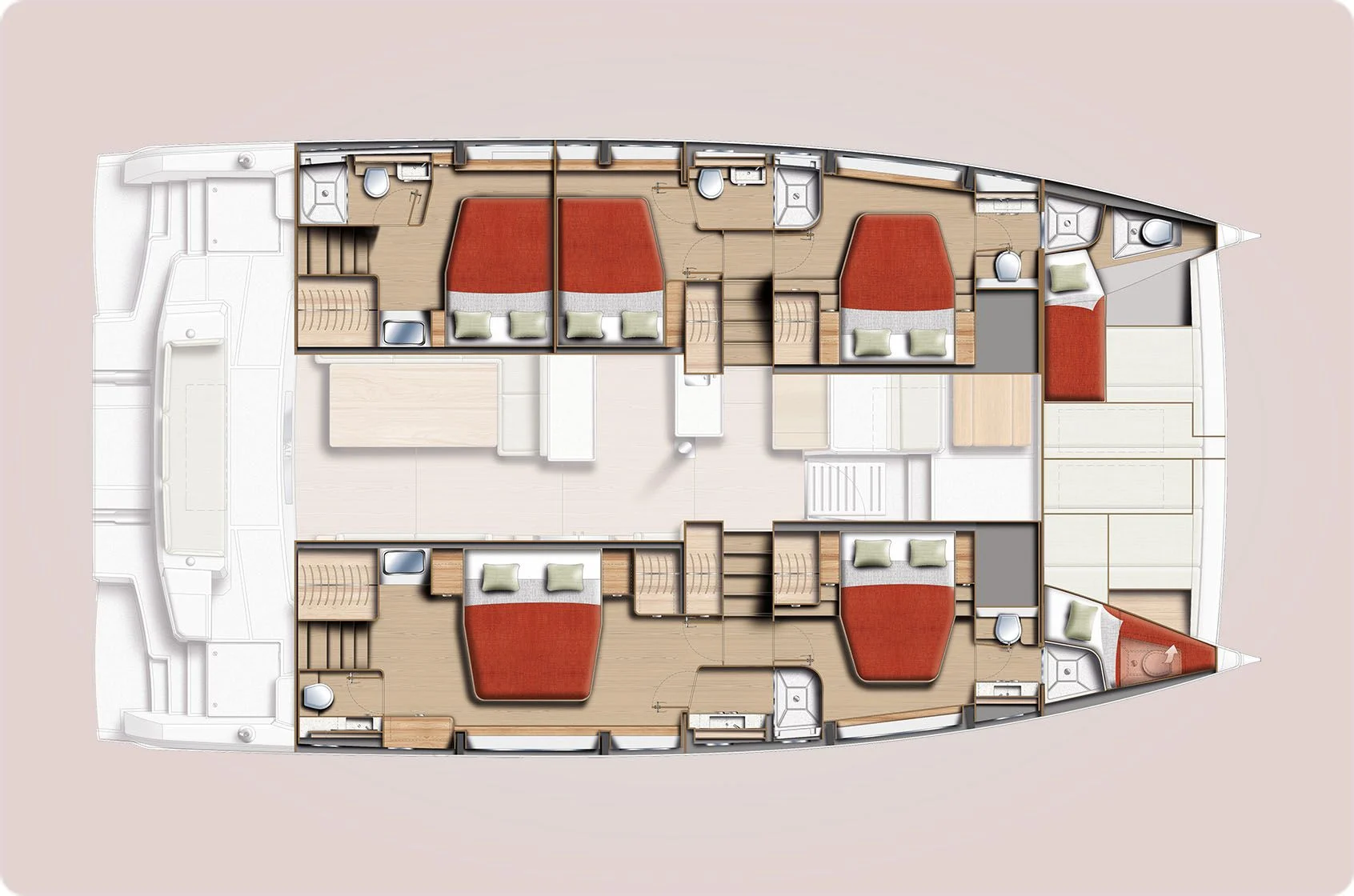
Manufacturer plan for this configuration. Open the drawing to compare accommodation, deck layout and circulation.
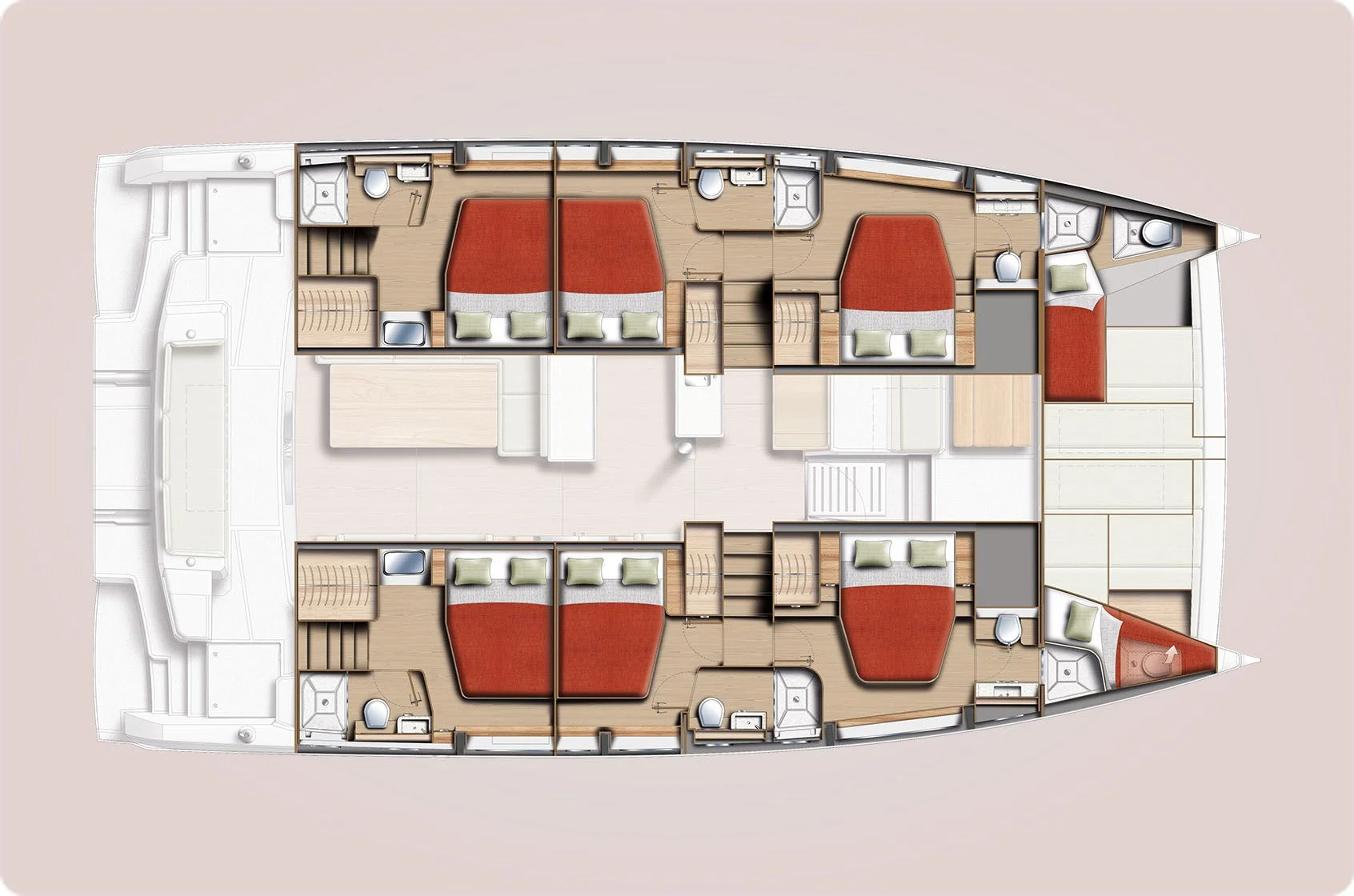
Manufacturer plan for this configuration. Open the drawing to compare accommodation, deck layout and circulation.
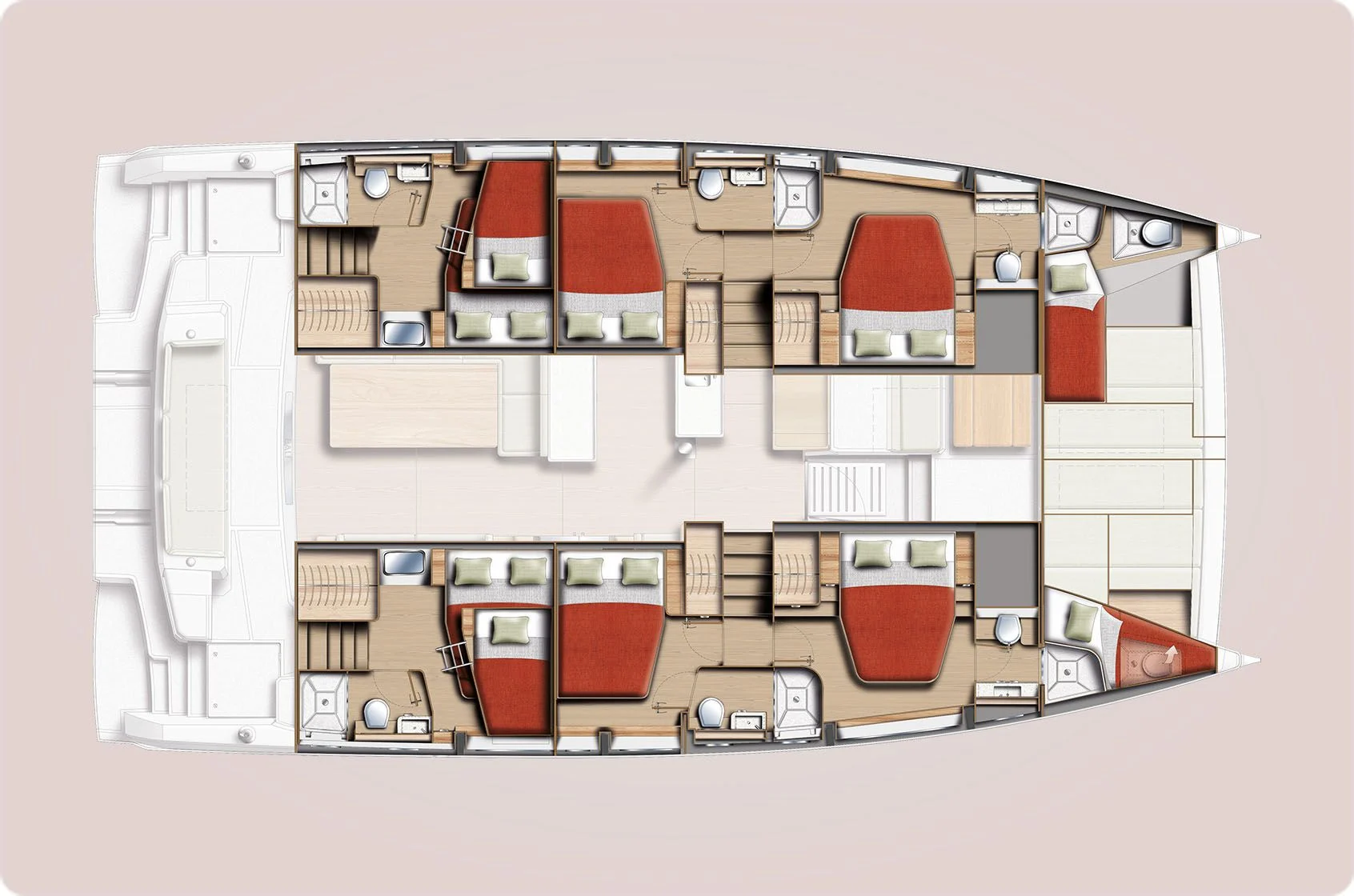
Manufacturer plan for this configuration. Open the drawing to compare accommodation, deck layout and circulation.
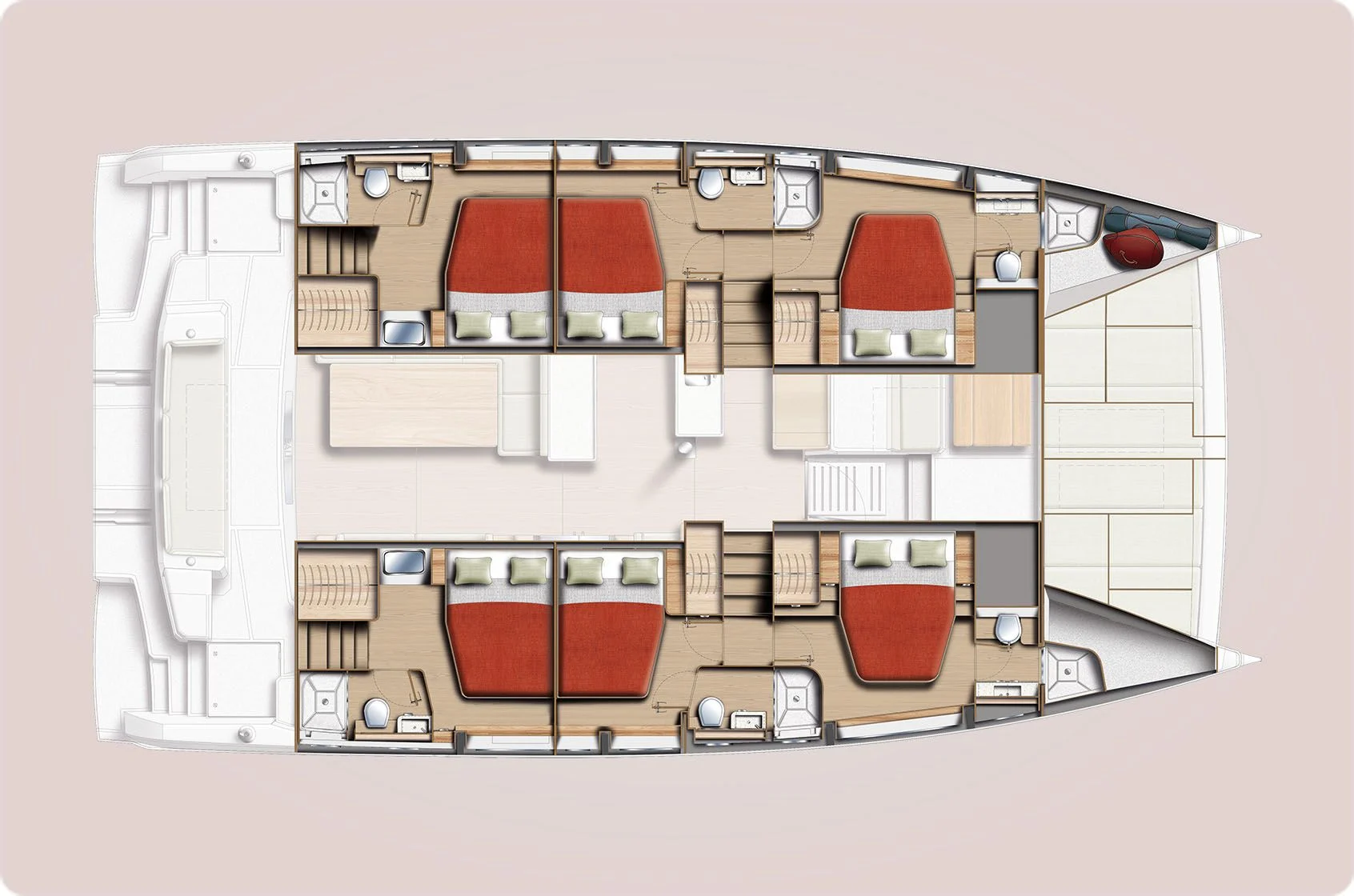
Manufacturer plan for this configuration. Open the drawing to compare accommodation, deck layout and circulation.
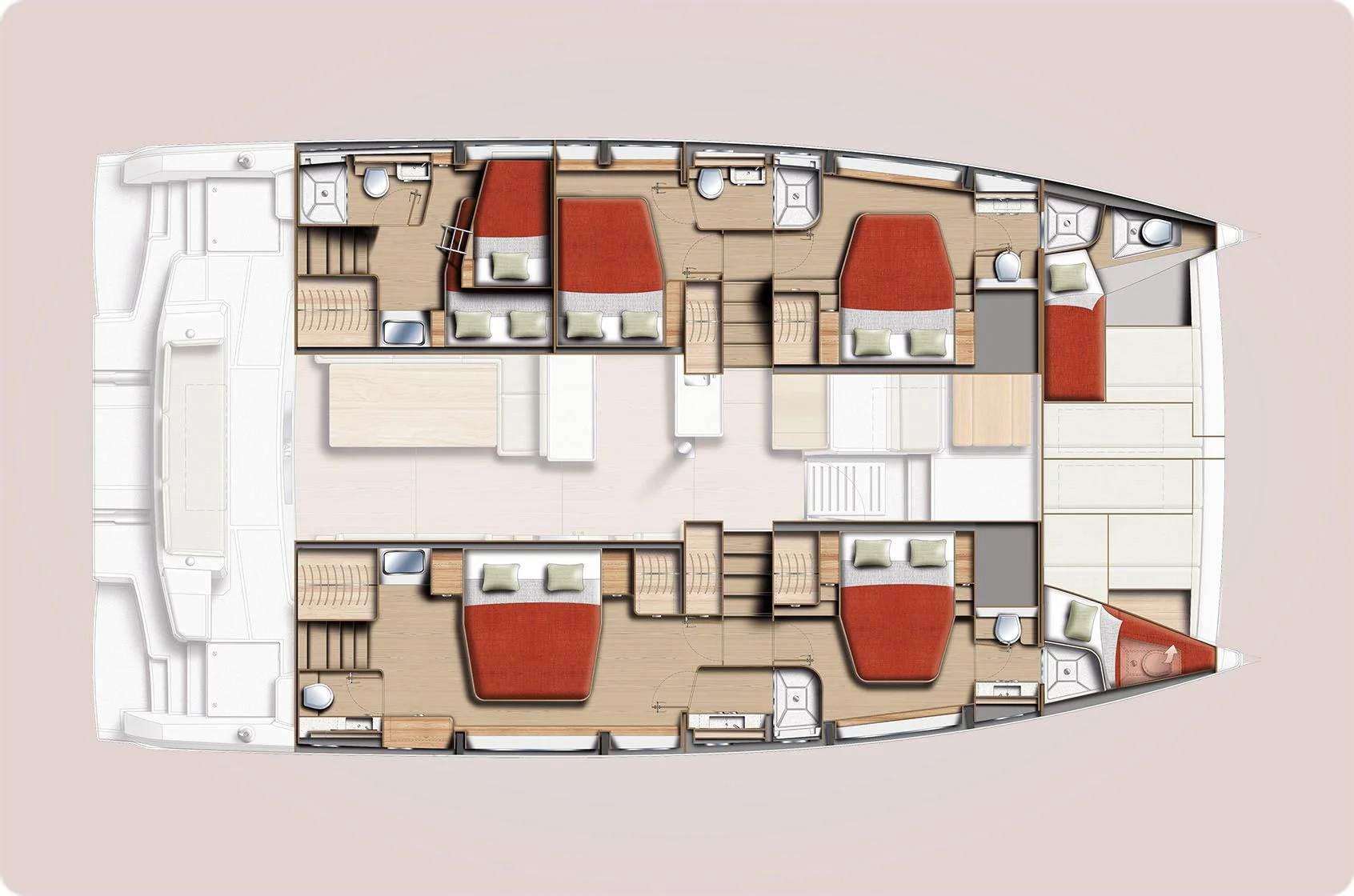
Manufacturer plan for this configuration. Open the drawing to compare accommodation, deck layout and circulation.
Testimonials
“Two doors, one open saloon”
In his BALI 5.2 cruising sea trial, Irwin Sonigo describes how the lifting aft door joins the saloon and cockpit into a level living space. Opening the forward door provides access to the foredeck and brings a cross-breeze through the saloon, a feature he particularly appreciated at anchor.
On the pilot boat he tested, the port hull held an owner’s suite with a separate dressing area. The starboard hull had three cabins, including an outside-access bunk cabin, while the boat’s 48-volt lithium system and 4,200 watts of solar panels allowed it to operate without a generator.
“Predictable handling under sail”
In his BALI 5.2 sea trial, Nicolas Massines reports sailing a four-cabin boat fitted with an overlapping genoa and square-top mainsail. It reached 6.2 knots in 15 knots of true wind at 40 degrees apparent; after the wind eased to around 12 knots, the boat reached 9.5 knots under Code 0 at a 100-degree true-wind angle.
Massines found the helm predictable through changes of course and reported little speed lost while tacking in the calm sea. He also noted that an electric winch eased sail handling and that the helm sat centrally on the flybridge.
Model years & editions
Key milestones and configuration choices.
- 2025
Model announcement
Bali’s March 2025 announcement introduced the 5.2 as a new model in its cruising range.
- Accommodation
3 to 6 cabins
The published main-cabin range is 3 to 6. Compare owner space, bed types and bathroom access on the selected plan; additional bow berths are a separate consideration.
- Configuration choices
Forepeak and extra-berth options
The 5.2 drawings distinguish main cabins, fitted forepeaks and additional berths. These are different accommodation choices, not interchangeable sleeping-capacity labels.
BALI 5.2 FAQs
Does the BALI 5.2’s six-cabin option include crew accommodation?
Bali shows six-cabin plans both with and without fitted forepeaks, plus versions with additional berths. Ask the seller to separate main cabins, bow accommodation and extra sleeping places. A total berth count does not describe privacy, access or bathroom arrangements.
What is the difference between an owner’s BALI 5.2 and a high-cabin-count version?
The three- and four-cabin owner arrangements reserve more accommodation for the owner. Five- and six-cabin plans divide the available space among more rooms. Compare storage and bathroom access against the number of people who will normally sail with you.
Do the solar panels shown on BALI 5.2 plans mean it can run without a generator?
No. The manufacturer’s plans show solar configurations, but a drawing does not establish the delivered electrical capacity. Ask for installed panel output, usable battery capacity and inverter ratings, then evaluate them against your refrigeration, cooking and air-conditioning loads.
How much water and fuel does the BALI 5.2 carry?
Bali’s current reference figures are 1,320 litres of water and 1,200 litres of fuel. Verify the delivered tank specification and usable volumes. For longer cruising, calculate consumption for your own crew and engines rather than turning tank size into an assumed number of days.
When was this BALI 5.2 introduced?
Bali announced the model in March 2025. Use its own plans and specification when comparing it with the 5.4 or 5.8; similar names and family styling do not make those models interchangeable.
What size berth does the BALI 5.2 need?
Bali lists an overall length of 16.41 m and beam of 8.16 m. Give both figures to the marina, then confirm the actual boat’s fitted dimensions and the clearance needed for fenders and access. Hull length or the model name alone is not enough for a berth quotation.
Considering a BALI 5.2?
Talk through layouts, equipment, ownership costs and your cruising plans with a dedicated catamaran specialist.