
Service overview
Operating as a vital branch of the United States Armed Forces and a principal maritime agency within the Department of Homeland Security, the United States Coast Guard safeguards the nation's maritime interests across coastal waterways, ports, and open seas. Tasked with multifaceted operations that include maritime safety, search and rescue, defense readiness, and environmental protection, the organization serves commercial mariners, recreational boaters, and industry partners throughout the country. Through its extensive network of stations, cutters, aircraft, and volunteer Auxiliary units, the service provides an unwavering watch over national waterways.
More about U.Ss Coast Guard Auxiliary Division 3
Operating as a vital branch of the United States Armed Forces and a principal maritime agency within the Department of Homeland Security, the United States Coast Guard safeguards the nation's maritime interests across coastal waterways, ports, and open seas. Tasked with multifaceted operations that include maritime safety, search and rescue, defense readiness, and environmental protection, the organization serves commercial mariners, recreational boaters, and industry partners throughout the country. Through its extensive network of stations, cutters, aircraft, and volunteer Auxiliary units, the service provides an unwavering watch over national waterways.
A central focus of their mission involves boating safety, public outreach, and maritime education. Through dedicated units and resources such as the Coast Guard Auxiliary and boating safety divisions, recreational vessel owners can access vital instructional programs, vessel examinations, and navigation resources. These safety-focused programs teach seamanship, basic navigation, and emergency preparedness, functioning alongside private sailing schools and instruction facilities to raise overall nautical competency among civilian boaters. Additionally, auxiliary divisions regularly conduct comprehensive vessel safety checks, assessing onboard safety equipment service readiness, from life jackets and visual distress signals to fire extinguishers and sound devices.
Beyond field operations, the service maintains extensive administrative and regulatory oversight over domestic maritime commerce. Through the National Vessel Documentation Center and the National Maritime Center, mariners and yacht owners rely on the organization for official marine vessel documentation, commercial vessel titling, and mariner licensing credentials. These programs establish the standards required for professional captains and crew members operating passenger charters, cargo vessels, and commercial tugs, ensuring that crew qualifications meet stringent federal maritime guidelines.
Environmental protection and emergency coordination form another foundational pillar of Coast Guard operations. By supervising maritime incident responses, monitoring hazardous spill containment through entities like the National Pollution Funds Center, and enforcing environmental management directives, personnel work to protect sensitive marine ecosystems and harbors from catastrophic damage. From localized coastal patrols to international deepwater operations, the United States Coast Guard remains a defining cornerstone of marine infrastructure, establishing the safety standards, educational benchmarks, and operational safeguards that protect the American maritime community.
Services & specialties
Project gallery






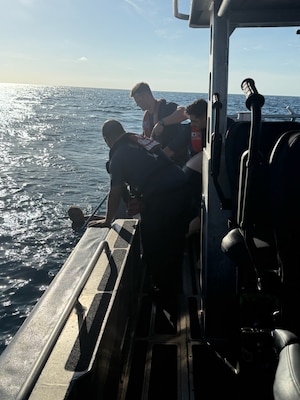
Provider information from Boatwork. Services are offered by U.Ss Coast Guard Auxiliary Division 3.