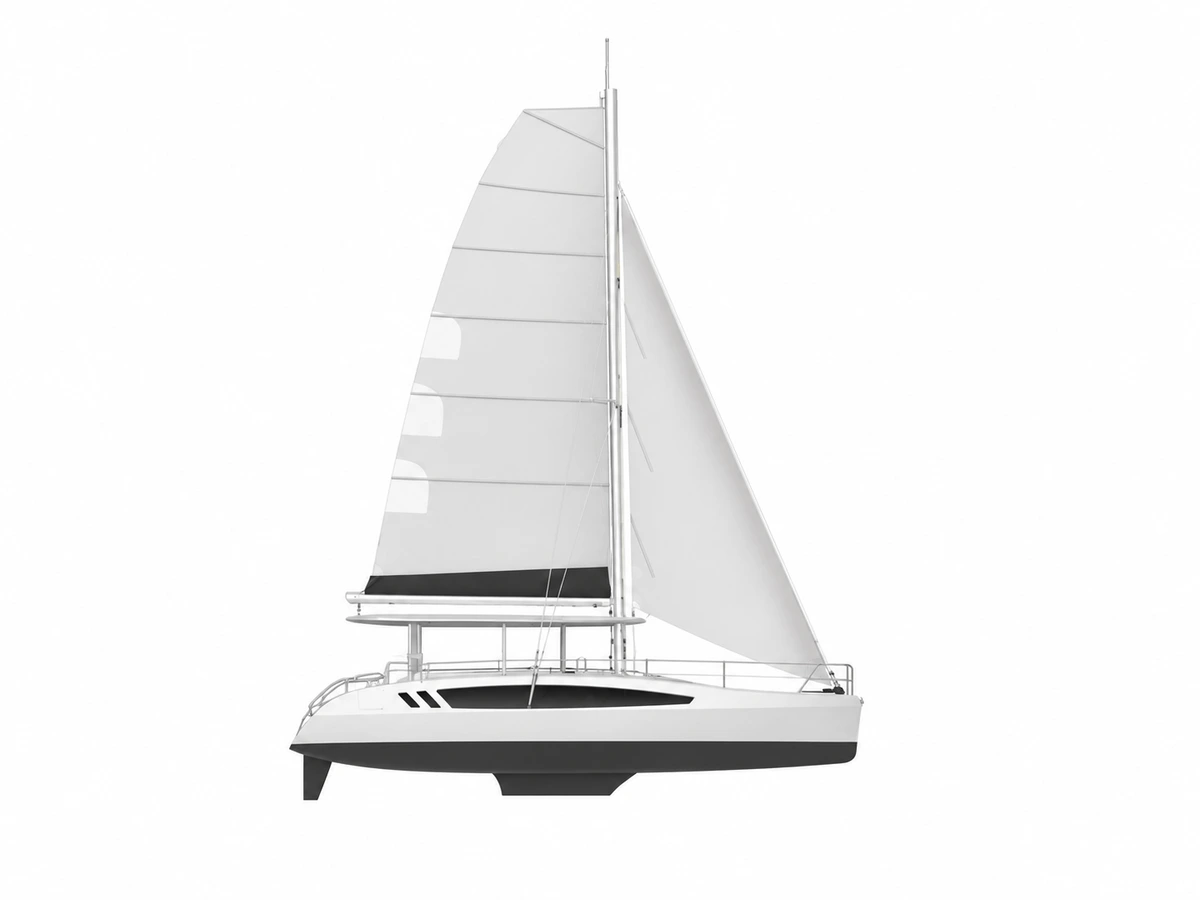
Seawind 1600
Official tour of the Passagemaker updates. Earlier 1600 s and individual fit-outs differ.
About the Seawind 1600
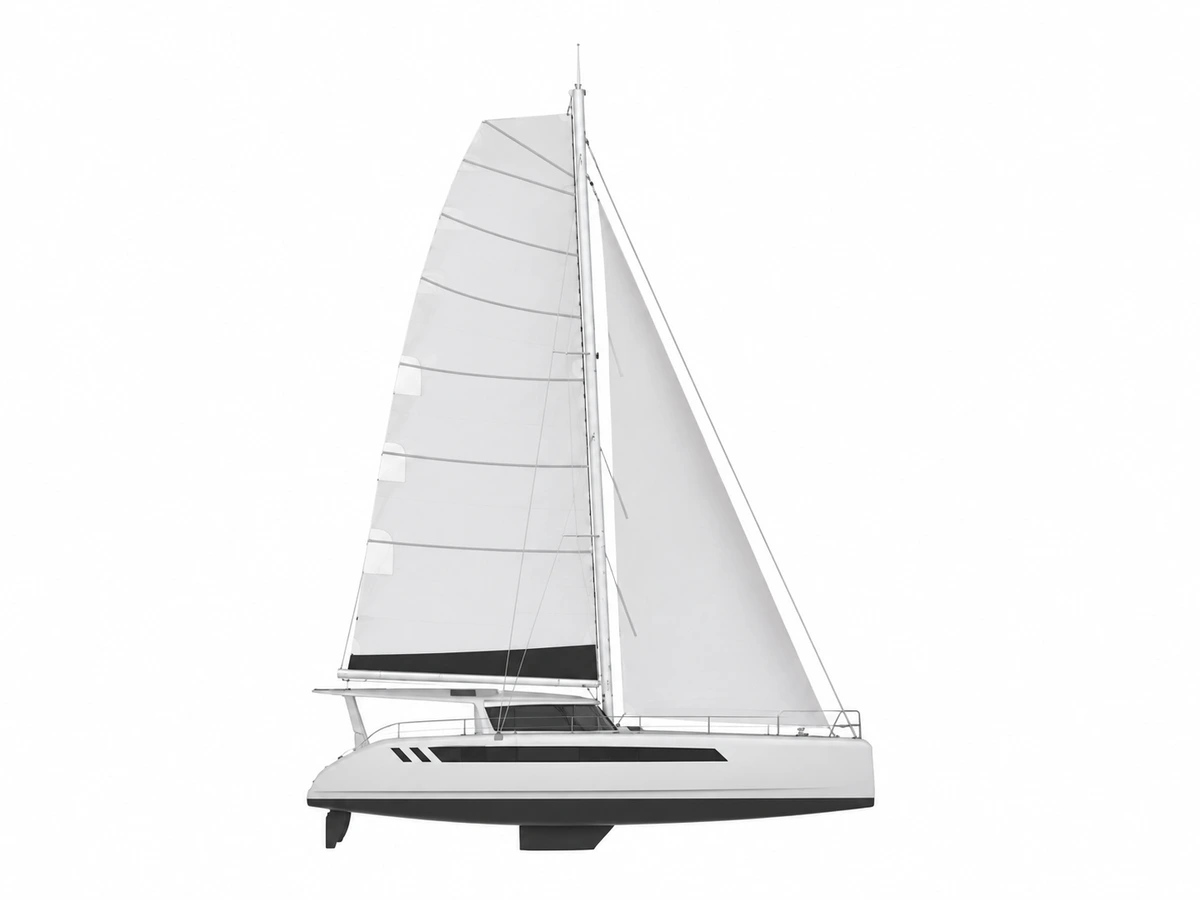
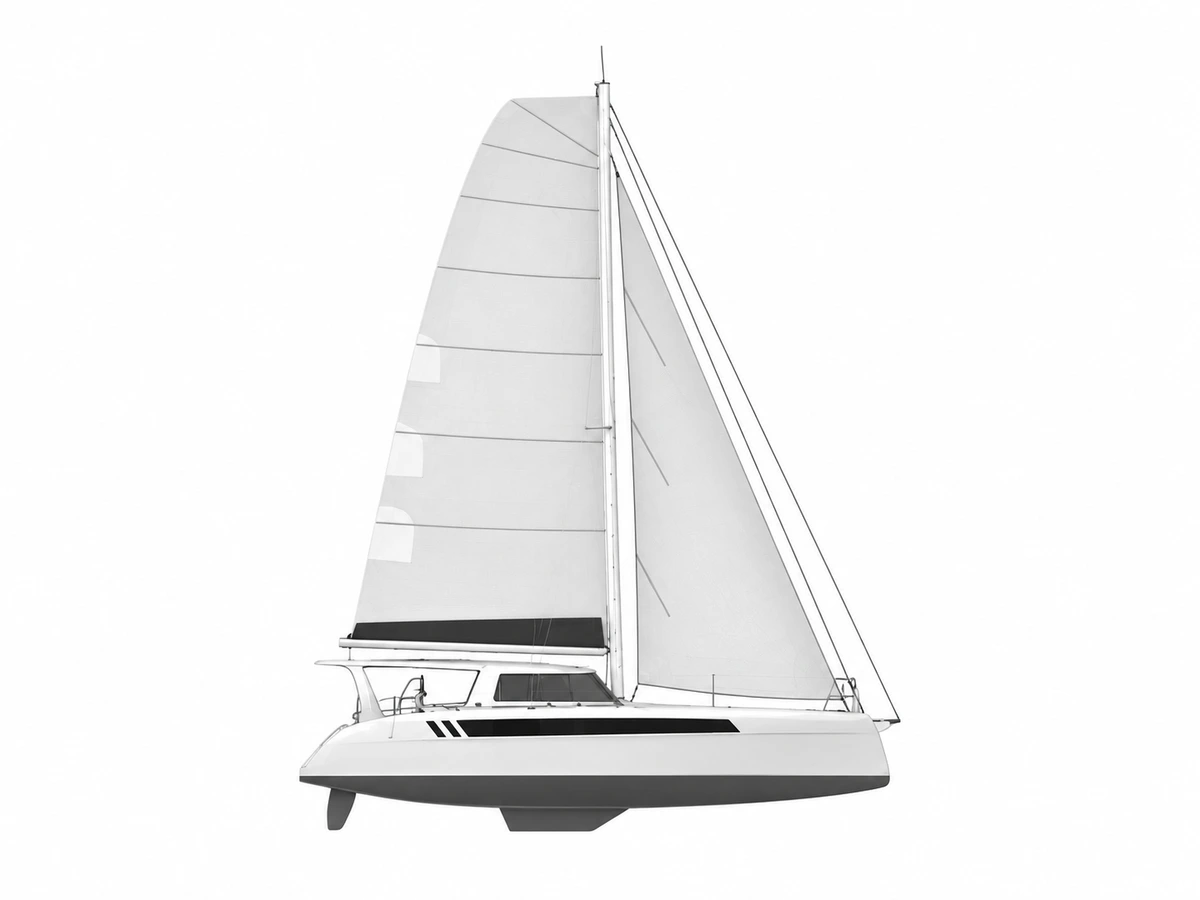
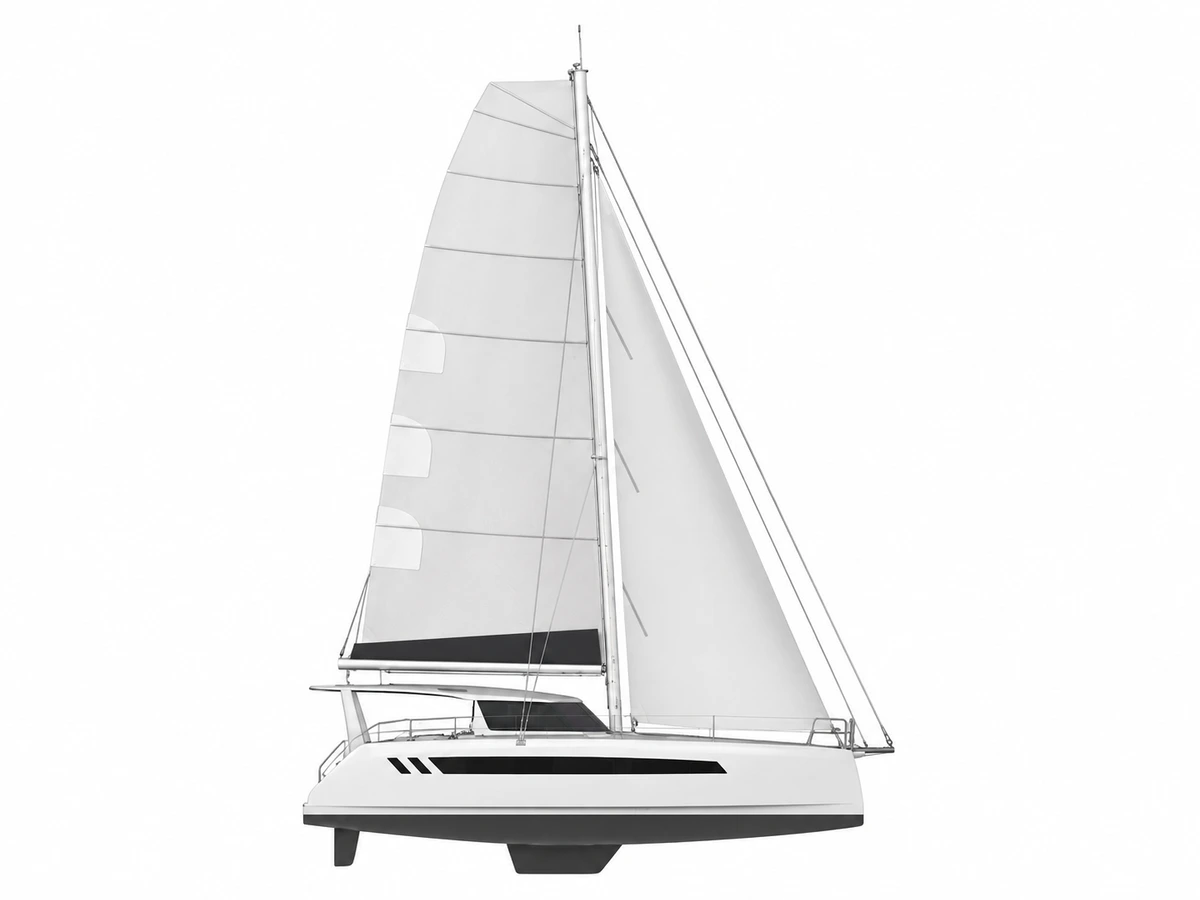
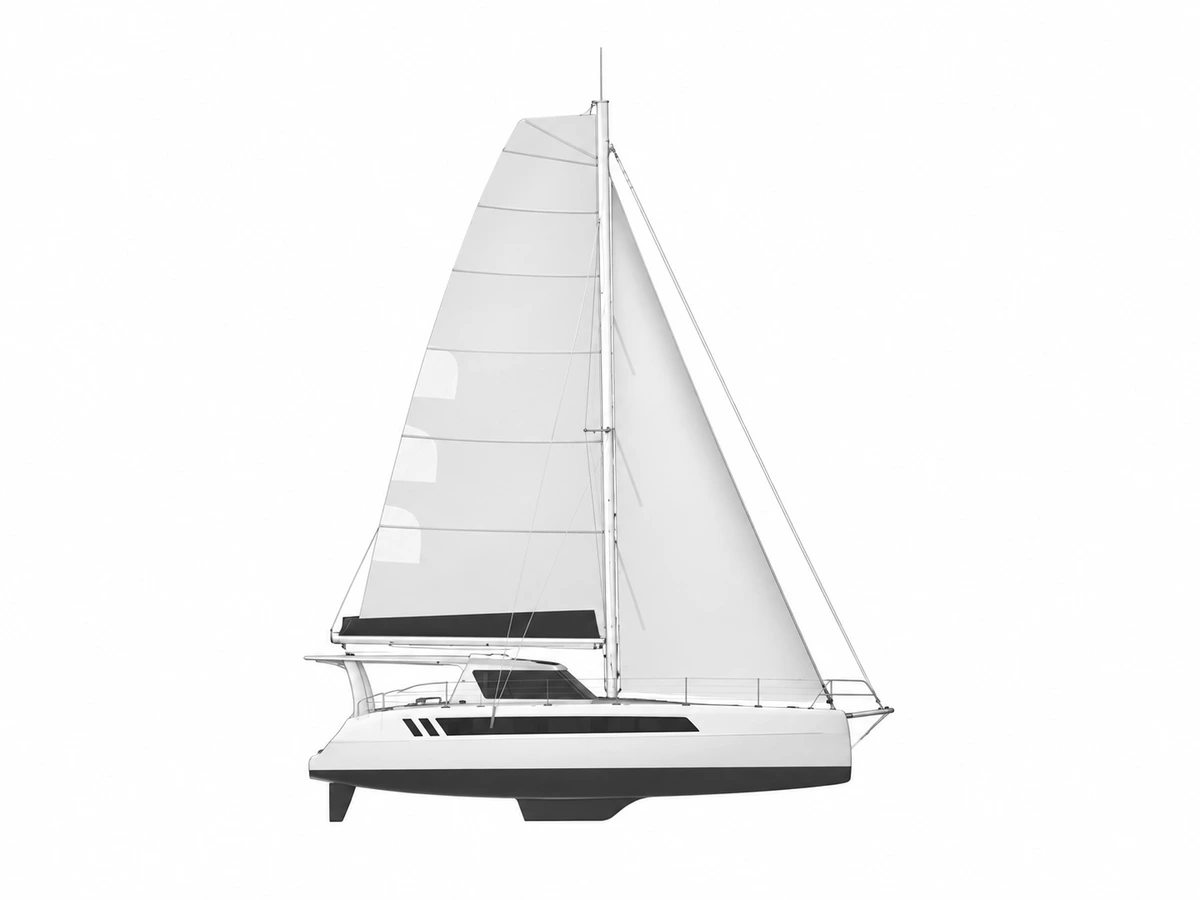
The Seawind 1600 is a 16.1-metre Reichel/Pugh-designed sailing catamaran presented by its builder as the Passagemaker. Its purposeful character comes from a three-cabin plan, protected steering positions and retractable foils, combining substantial living space with an underwater setup that asks the crew to manage boards and rudders from the cockpit.
The accommodation comprises three cabins, while the galley sits on the main level beside the saloon and cockpit. That placement keeps the cook connected to conversation and makes serving meals outside straightforward, without turning a hull passageway into the kitchen. The separate cabins suit an owner and guests, with the exact allocation best judged against each buyer’s privacy and workspace needs.
Two protected helms provide outdoor steering positions, while an interior navigation station offers shelter for planning and systems work. Cockpit controls raise and lower the daggerboards and rudders, changing draft from 0.60 metres to 2.60 metres and adding a deliberate foil-management task to arrivals and departures. Propulsion is by twin Yanmar 57 hp diesel saildrives.
For buyers choosing between this boat and the Seawind 1370, the decisive difference is below the waterline: the 1370 uses fixed minikeels and spade rudders, whereas the 1600 has retracting daggerboards and rudders. CatamaranWorld shoppers should weigh the 1600’s adjustable draft and cockpit foil controls against the fewer handling steps and different maintenance demands of fixed keels.
Seawind 1600 accommodation layouts
Manufacturer general-arrangement drawings. Open a plan for a closer look.
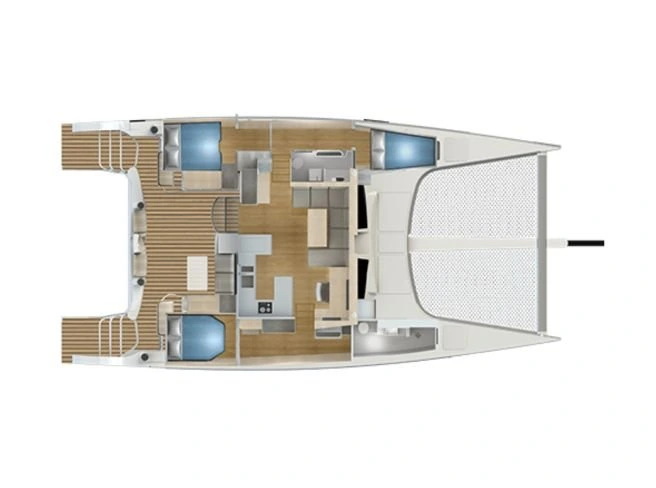
Main-deck view showing the galley, saloon and cockpit; this drawing does not depict the hull cabins.
Testimonials
“Protected helms, connected crew”
In their Seawind-hosted owner testimonial, Joy, David and Elliot describe why they were drawn to their Seawind 1600, Purejoy: its combination of comfort, simplicity and sailing performance. They say it feels solid and spacious for offshore living while remaining a sailor’s boat.
The family values the protected helms for watchkeeping that keeps the person steering connected to others. They also praise the view from the saloon for keeping an off-watch crew member connected to events outside, and say the galley layout allows safe cooking even in rough seas.
“Wider hulls, lighter systems”
In his news article on the updated Seawind 1600 Passagemaker, Emmanuel van Deth reports that the hulls were widened by four inches to increase load capacity and berth width. He also notes an additional folding bunk and more storage in the starboard forecabin, a raised nacelle and carbon reinforcement that made the platform more rigid and lighter.
Van Deth reports larger hull windows, recessed blinds and a light-oak finish. He says the updated model gained a lighter, more energy-efficient 24-volt electrical system as standard, along with an anchoring arrangement designed to ease ground-tackle handling and improve weight centering.
Model years & editions
Key milestones and configuration choices.
- May 2021
Passagemaker edition
Seawind announced the updated 1600 Passagemaker with hull, glazing and interior changes. Early 1600 s should be assessed against their own build specification.
- Layouts and equipment
Retracting foils and galley up
The reference three-cabin plan has a main-deck galley. Retracting rudders and daggerboards change its shallow-water configuration.
Seawind 1600 FAQs
What changed with the Seawind 1600 Passagemaker edition?
Announced in May 2021, the Passagemaker update brought revised hulls with more volume, additional carbon reinforcement, larger hull windows and a higher wingdeck clearance. These changes distinguish it from early 1600s. Compare build documentation and photographs rather than assuming every used 1600 has the updated specification.
Does the Seawind 1600 have lifting rudders as well as daggerboards?
Yes. The design uses retracting rudders and daggerboards, allowing a shallower configuration than the full sailing draft. That is a significant difference from Seawind models with fixed mini-keels. Check how both systems operate on the boat and follow the builder’s operating guidance.
What minimum draft should I plan around on a Seawind 1600?
The current specification table gives 0.60 m minimum and 2.60 m maximum draft, while some manufacturer feature text quotes a smaller minimum. Use the yacht’s own drawings and loaded measurements before planning shallow access. Neither a promotional minimum nor raised foils alone guarantees safe clearance.
Is the Seawind 1600’s galley on the main deck?
Yes. Its reference three-cabin layout is galley-up, connecting cooking with the saloon and cockpit rather than placing it in a hull. Compare worktop support, storage and movement through that area while preparing food underway as well as while entertaining at anchor.
How do the two protected helm stations work for a small crew?
The twin stations let the skipper choose the more useful viewpoint while remaining connected to the cockpit. The published steering system is Lewmar Mamba. During a viewing, compare sightlines, sail-control access and communication between helms instead of assuming one position gives the best view in every maneuver.
What engines and tankage are listed for the current 1600?
The reference installation is two 57 hp Yanmar diesel saildrives, with 750 litres of fuel and 658 litres of fresh water. Confirm the individual boat’s installation and any added systems. Capacity alone does not determine offshore endurance or how much payload remains for equipment.
Considering a Seawind 1600?
Talk through layouts, equipment, ownership costs and your cruising plans with a dedicated catamaran specialist.